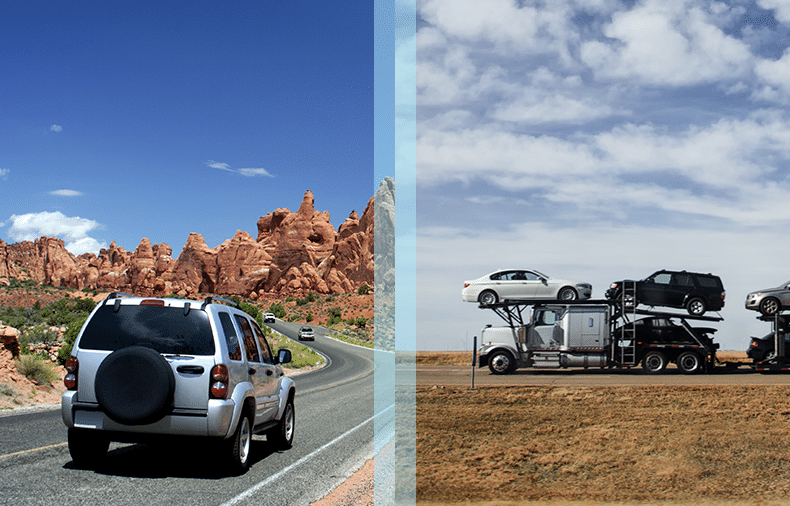
Moving a vehicle long distance always comes down to the same question: should you ship it, or drive it yourself? The right answer depends on your budget, your timeline, and how much your time and vehicle are worth to you.
This guide breaks down the real costs, time commitment, and trade-offs of vehicle shipping vs driving so you can make the call with confidence.
Vehicle Shipping vs Driving: Side-by-Side Comparison
Here’s how the two options stack up across the factors that matter most.
| Factor | Shipping Your Vehicle | Driving It Yourself |
|---|---|---|
| Upfront Cost | $550–$2,000+, depending on distance and transport type | Low upfront cost, but expenses add up along the way |
| Fuel Expenses | None | $150–$600+, depending on distance and vehicle |
| Hotels & Meals | None | $100–$400+ for multi-day trips |
| Vehicle Wear & Tear | Minimal | Added mileage, tire wear, and engine hours |
| Time Commitment | 1–2 hours to book and prep | Full days of driving, plus rest stops |
| Convenience | High — a carrier handles transport | Lower — you handle every mile yourself |
| Flexibility | Fixed pickup and delivery windows | You control the schedule and route |
| Risk of Breakdowns | Low — professional carriers, not your daily driver | Higher on older vehicles or long routes |
| Mileage Added | None | Full distance added to your odometer |
| Best For | Long distances, tight schedules, high-value vehicles | Short trips, flexible schedules, road trip fans |
What Does It Really Cost to Drive a Vehicle Long Distance?
Driving looks free at first glance. Once you add up fuel, lodging, meals, and wear on your vehicle, the real cost to drive a vehicle cross-country often surprises people.
- Fuel Costs: A 2,000-mile trip in a standard sedan can run $200–$300 in gas alone. Larger vehicles or trucks cost more.
- Hotel Stays: Most drivers need at least one or two nights on the road for longer routes, adding $100–$300.
- Meals and Travel Expenses: Food, tolls, and parking add another $50–$150 per day.
- Vehicle Wear and Tear: Every mile driven adds to your odometer and shortens the life of tires, brakes, and your engine.
- The Value of Your Time: Multi-day drives often mean taking time off work or burning vacation days you could use elsewhere.
Real-life example: A family relocating from Chicago to Denver estimated their 1,000-mile drive would cost $180 in gas, $150 for a hotel, and $100 in meals — plus two full days off work. Their total came to roughly $430 in hard costs, without factoring in the value of their time or the extra mileage on a vehicle they planned to sell within the year.
What Does It Cost to Ship a Vehicle?
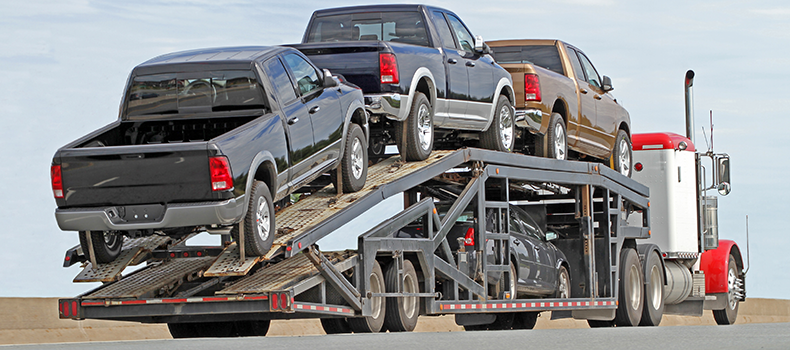
Vehicle shipping costs vary based on a handful of factors, so quotes for the same route can look different depending on your vehicle and timing.
- Distance: Longer routes cost more overall but often less per mile than short hauls.
- Vehicle Size and Weight: Heavier vehicles and trucks cost more to transport than standard sedans.
- Open vs Enclosed Transport: Open transport runs $0.60–$1.10 per mile and works well for most vehicles. Enclosed transport costs $1.20–$1.70 per mile and adds protection for luxury, antique, or exotic vehicles.
- Timing and Seasonal Demand: Booking during peak moving season or requesting expedited pickup can raise your rate.
- Pickup and Delivery Locations: Door-to-door service costs more than terminal-to-terminal but saves you the extra trip to a hub.
Typical cost ranges:
| Type of Move | Estimated Cost Range |
|---|---|
| Local (under 500 miles) | $200–$600 |
| Cross-country | $800–$2,000+ |
| International | Starts around $1,500 |
Quotes vary because every shipment is unique. For a deeper breakdown of pricing by route and season, see our guide to cross-country car shipping costs.
When Shipping a Vehicle Makes More Sense
Shipping tends to win out when time, distance, or vehicle value are on the line.
- You’re Moving Across the Country: Long routes mean more days of driving, more fuel, and more wear on your vehicle.
- You Purchased a Vehicle Out of State: Skip the flight or road trip and have your new vehicle delivered instead.
- You’re Relocating for Work: Tight timelines don’t leave room for a multi-day drive.
- You’re Moving Multiple Vehicles: Shipping lets you relocate more than one vehicle without multiple trips or extra drivers.
- You Own a Classic, Luxury, or Collector Vehicle: Enclosed transport protects high-value vehicles from road debris and weather.
- You Want to Avoid Adding Mileage: Every mile you don’t drive is a mile that doesn’t show up on the odometer at resale.
If you’re moving between states, our checklist for interstate car shipping walks through what to prepare before pickup.
When Driving Your Vehicle May Be the Better Choice
Shipping isn’t the right fit for every move. Driving still makes sense in plenty of cases.
- The Distance Is Relatively Short: A few hundred miles or less often costs less to drive than to ship.
- You Need Your Vehicle Immediately: Driving gets you there the same day. Shipping takes time to coordinate and transport, even with faster options.
- You Enjoy Road Trips: Some people genuinely want the drive, and that’s worth factoring in.
- You Plan to Transport Personal Belongings: Driving lets you pack the car with items you’d otherwise need to ship separately.
- The Cost Savings Are Significant: If your total driving costs land well below a shipping quote, driving may be the more practical choice.
If your timeline is tight either way, it helps to know how long vehicle shipping typically takes before you decide.
What to Look for When Comparing Vehicle Shipping Quotes
Not all quotes are built the same. A little diligence upfront helps you avoid surprises later.
- Look Beyond the Lowest Price: An unusually low quote can mean hidden fees or an inexperienced provider.
- Review Carrier Ratings and Experience: Choose feedback-rated, experienced carriers with a track record of on-time delivery.
- Understand Protection Options: Ask what’s covered and consider adding a uShip Protection Plan for extra peace of mind.
- Compare Pickup and Delivery Methods: Door-to-door service costs more but saves you a trip. Terminal-to-terminal can save money if you don’t mind the drop-off.
- Ask Questions Before Booking: Confirm transit time, cancellation policy, and what happens in the event of a delay or damage.
Shipping something larger than a standard sedan? Our heavy vehicle shipping tips cover what changes for trucks, RVs, and oversized vehicles.
Should You Ship Your Vehicle or Drive It?

There’s no universal answer to vehicle shipping vs driving. If you’re moving long distance, working with a tight schedule, or protecting a high-value vehicle, shipping is usually worth it. If your trip is short, your timeline is flexible, and you’re comfortable with the drive, doing it yourself can save you money.
Weigh the true cost to drive against a real shipping quote before you decide. Once you add up fuel, hotels, meals, and the value of your time, the answer is often clearer than it looks at first.
Ready to compare options? Get a quote on uShip and see what shipping your vehicle actually costs.
Frequently Asked Questions
How much does it cost to relocate a car?
Most domestic shipments cost $500–$1,600, depending on distance and transport type. Cross-country routes can reach $2,000, and international moves typically start around $1,500.
What’s the safest way to move a car across states?
Working with a feedback-rated, experienced carrier and choosing the transport type suited to your vehicle offers the most reliable protection. Our guide to shipping your vehicle across state lines without delays covers how to avoid common holdups.
Can I ship a car and personal items together?
Most carriers ask that vehicles be empty of personal belongings, though some allow a small amount if you disclose it in advance. Always confirm with your carrier before pickup.
Do I need a Protection Plan to ship my vehicle?
It’s not required, but adding a uShip Protection Plan gives you added peace of mind, especially for higher-value vehicles.
How long does car shipping take?
Most domestic moves take two to ten days, and cross-country shipments typically take seven to fourteen days depending on the route and carrier availability. If you’re on a tight deadline, look into same-day car shipping options.
Is car shipping worth it?
For long-distance moves, tight timelines, or valuable vehicles, shipping is often worth the cost when you factor in fuel, lodging, meals, and the mileage you’d otherwise add to your vehicle. For short, flexible trips, driving may still make more financial sense.