How long does it take to ship a car? Three days? A week? A month? Every year, millions of vehicles are transported across the country, and many vehicle owners don’t realize how much shipping times can vary.
The truth is, there’s no single answer. Every shipment is unique, depending on factors like the carrier’s route, driver availability, distance, time of year, and whether you can accommodate a flexible pickup window.
Whether you’re relocating for a new job, purchasing a vehicle from out of state, or sending a car to a family member, understanding how long shipping takes helps you plan ahead, minimize stress, and set realistic expectations.
So, what determines car shipping timelines? Is there an industry standard? And what should you expect during the process? Let’s break it down.
Typical Transit Times by Distance
Shipment transit times vary depending on distance, service options, time of year, and location. Below are general ranges for short, mid-range, and long-distance shipments.
Short Distance Shipments (Under 500 Miles)
Shipments under 500 miles are considered short-distance and usually arrive within 2 to 4 days.
Why shorter times are possible:
- Fewer transfer points between the origin and destination reduce the chance of delays
- Routes can often be completed in a single day without overnight stops
- Weather and traffic play a role, but risks are lower than on longer routes
Potential one-day delays:
- High demand during the summer months or holidays
- Heavy traffic in metropolitan areas
- Limited driver or equipment availability
For most regional moves, short-distance shipping is the most reliable timeline.
Mid-Range Shipments (500–1,500 Miles)
Once a trip extends beyond one day’s drive, logistics get more complex. Mid-range shipments typically take 3 to 7 days.
Factors that extend transit times:
- Overnight stops are required.
- Travel through multiple states increases the chance of delays from construction or traffic.
- Transfers at cross-dock facilities can add time.
Balancing cost and speed:
Carriers often combine shipments to fill trucks and reduce costs, but this may add 2–3 days to delivery. Planning a week in advance is recommended.
Long-Distance Shipments (Over 1,500 Miles)
Cross-country or time-zone-spanning trips usually take 7 to 10 days, though weather or other delays can extend that timeline.
Why they take longer:
- More miles mean more fuel stops and driver changes.
- Severe weather (snowstorms, hurricanes, floods) can cause rerouting.
- Seasonal peaks increase demand and reduce flexibility.
Key Factors That Influence Car Shipping Timeline
Several variables affect how long it takes for your car to arrive:
Distance
- Under 300 miles: often 1–2 days
- 300–1,200 miles: 2–5 days
- Over 1,200 miles: 4–9 days (depending on weather and routing)
Pickup and Delivery Locations
- Metro areas: Faster service, often within 24 hours of the scheduled time.
- Suburbs: Limited parking/loading zones can add delays.
- Rural areas: Carriers may travel extra miles on smaller roads, sometimes adding days.
Transport Type: Open vs. Enclosed
- Open transport: Most common, typically faster (2–4 days on average).
- Enclosed transport: Offers more protection but usually adds 1–2 days to transit time.
Seasonal Demand
- Summer: High demand adds 1–2 days to average transit times.
- Winter: Holidays and storms reduce carrier availability.
Weather and Road Conditions
- Blizzards, hurricanes, flooding, and road repairs can add several days.
- Carriers often reroute to avoid hazards, which may extend delivery but keeps vehicles safe.
Traffic and Multiple Deliveries
- Single deliveries are fastest.
- Multi-car loads add 0.5 to 1 day per stop.
Estimating Your Vehicle’s Shipping Time
A good rule of thumb: carriers typically cover 400–500 miles per day.
Example: Shipping from New York to Los Angeles (2,800 miles) generally takes 6–7 days.
Scheduling tips:
- Book early, especially during summer or holidays.
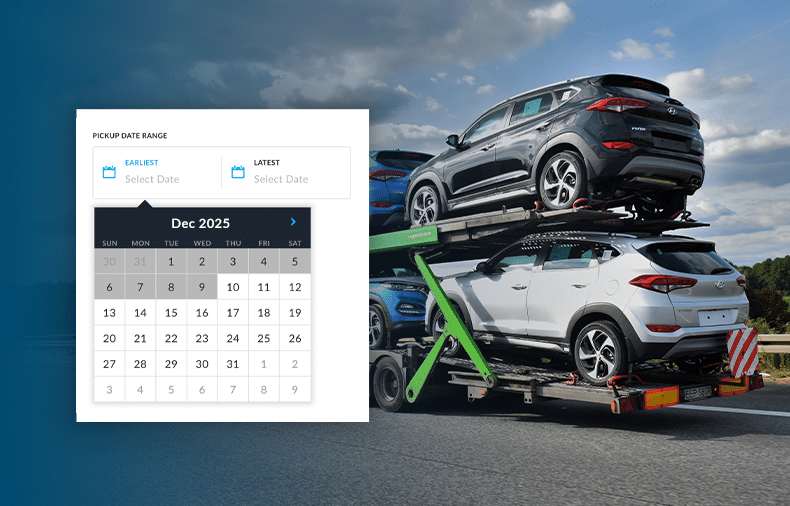
- Allow 1–5 extra days if you need a specific pickup date.
- Plan for added time if you live in a remote location.
How to Speed Up Auto Transport
- Book early: Secure your spot and reduce delays.
- Choose door-to-door service: Avoid terminal delays.
- Select expedited shipping: Moves your shipment to the top of the list, with pickup often in 24–48 hours.
Why uShip Makes Vehicle Shipping More Predictable
With uShip, you get:
- Access to thousands of licensed carriers with estimated delivery windows visible before booking.
- Transparent communication and real-time tracking, so you know where your vehicle is at all times.
- Filters for speed and reliability, letting you prioritize delivery time or carrier ratings.
- Support if plans change, helping you adjust pickup or drop-off schedules.
Conclusion
Car shipping timelines depend on distance, demand, and delivery factors, but you can take steps to keep things predictable. With upfront estimates, flexible options, and real-time communication, uShip helps you ship your car with confidence.
FAQs
How long does it usually take to ship a car across the country?
About 7–10 days, depending on route, weather, and carrier availability.
What affects car shipping the most?
Carrier availability, distance, pickup and drop-off locations, weather, and traffic.
Can I get faster delivery?
Yes. Expedited shipping (for an additional fee) prioritizes your vehicle.
Does transport type affect delivery time?
Not significantly. Open is usually faster due to higher availability.
How long for Alaska or Hawaii shipments?
2–4 weeks, depending on ferry schedules and logistics.
Why does pickup take a few days?
Carriers schedule multiple vehicles per route, so pickups are coordinated for efficiency.
Is auto transport faster at certain times of year?
Spring and summer are faster due to higher demand and better weather.
How accurate are delivery estimates?
Generally accurate, but delays can occur due to weather, traffic, or mechanical issues.
What can delay my shipment?
Weather, traffic, breakdowns, remote locations, or scheduling congestion.
How does uShip help?
By letting you compare multiple carriers, read reviews, and select expedited or faster options.