Shipping a regular car is one thing, but moving something much larger is another story. Whether you’re transporting an RV, commercial truck, or construction equipment, oversized vehicle shipping involves added complexity, strict regulations, and specialized gear.
From securing permits to selecting the right trailer, you’ll need to plan ahead and choose experienced carriers who know how to navigate the rules. Platforms like uShip simplify this process by connecting you with qualified transporters and providing clear options for complex shipments.
Let’s walk through what qualifies as oversized, what regulations apply, and how to prepare your vehicle for a safe, compliant trip.
What Counts as an Oversized or Heavy Vehicle?
Not every big vehicle is officially “oversized.” According to the Federal Highway Administration (FHWA), a load is considered oversized if it exceeds any of the following:
- Width: Over 8 feet 6 inches
- Height: Over 13 feet 6 inches
- Length: Over 53 feet
- Weight: Over 80,000 pounds Gross Vehicle Weight Rating (GVWR)
Vehicles that meet or exceed these dimensions (like RVs, cranes, buses, and heavy-duty trucks) fall into the heavy vehicle transport category. These shipments require careful planning, proper permits, and route considerations that standard vehicles don’t.
Skipping the permitting process can lead to fines, transport delays, or your vehicle being stopped en route. Understanding these thresholds is the first step in moving your equipment legally and safely.
Permits and Regulations You Need to Know
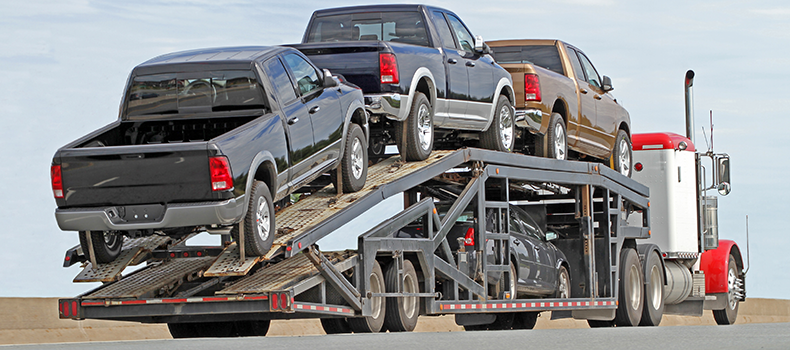
Oversized vehicle shipping means following federal and state-specific transport rules. Here’s what’s typically required:
- Oversize/overweight permits: Issued by each state your shipment passes through. These outlines allowed routes, size limits, and fees.
- Route planning: Carriers must avoid low-clearance bridges, weight-restricted roads, and tight urban areas. Some states require state-coordinated routes.
- Escort vehicles (pilot cars): For very large loads, some states require lead or follow vehicles to alert traffic and assist with navigation.
- Carrier qualifications: Transporters must have proper licensing, DOT/FMCSA compliance, and insurance to handle heavy loads legally.
The more states your shipment crosses, the more permits you’ll need. That’s why working with an experienced carrier (like the ones on uShip) is critical.
Choosing the Right Trailer for the Job
Your trailer setup can make or break a heavy-haul shipment. Here are the most common types:
Flatbed Trailers
Good for large but manageable loads like trucks, tractors, or farm equipment. Easy to load and widely available.
Lowboy Trailers
These sit lower to the ground and are ideal for tall or heavier equipment that would exceed standard height limits on a flatbed.
Removable Gooseneck (RGN) Trailers
The front detaches so vehicles can be driven directly onto the deck. Great for extremely heavy or awkwardly shaped equipment.
Choosing the right trailer improves safety, prevents loading damage, and ensures compliance with height and weight rules.
How to Prepare Your Vehicle for Shipping
Before your oversized vehicle hits the road, take these steps to reduce risk and avoid delays:
- Secure or remove loose parts: Detach antennas, mirrors, or accessories that could come loose during transit.
- Document condition: Take clear, dated photos from multiple angles for reference.
- Check tires, fluids, and battery: Proper tire pressure and a charged battery help with loading and reduce safety risks.
- Share special instructions: If your vehicle has quirks (e.g. non-standard startup, weight imbalance), tell the carrier ahead of time.
A little prep goes a long way toward a smooth pickup and delivery.
Safety Best Practices During Transport
Heavy loads require expert handling. Here’s how carriers keep things safe:
- Balance the load: Weight should be centered and evenly distributed on the trailer.
- Use proper tie-downs: Heavy-duty chains, straps, and binders are a must—bungee cords are a no-go.
- Limit tipping risk: Low positioning on the trailer helps keep the center of gravity stable.
- Work with pros: Experienced transporters understand how to navigate weight limits, secure the load, and respond to changes on the road.
Safety isn’t just about protecting your vehicle—it’s about keeping roads safer for everyone.
Cost Factors for Oversized Vehicle Shipping

Oversized and heavy vehicle transport typically costs more than standard auto shipping. Here’s why:
- Size and weight: Heavier loads require stronger trailers and may limit carrier availability.
- Distance and route complexity: Remote locations, restricted roads, or long hauls increase time and cost.
- Permits and escort vehicles: State fees and pilot cars add to the total cost.
- Seasonal demand: Peak seasons (like summer or holidays) can drive prices higher due to limited capacity.
Understanding these factors helps you compare quotes more accurately—and make decisions based on value, not just price.
Insurance and Liability Protection
Insurance is especially important when shipping high-value or specialty vehicles. Here’s what to know:
- Carrier coverage: Most carriers on uShip are required to carry insurance, and you can review their policies on their profiles before booking.
- Documentation matters: Take photos and note the vehicle’s condition before pickup to support any potential claims.
- Consider supplemental insurance: For expensive or rare equipment, extra coverage gives peace of mind during transport.
uShip also offers the optional uShip Protection Plan during checkout, which adds a layer of protection in case something goes wrong in transit.
How uShip Makes Oversized Vehicle Shipping Easier
Shipping a large vehicle doesn’t have to be complicated. uShip’s vehicle shipping platform connects you with experienced carriers who understand oversized loads, permits, and routing.
Benefits include:
- Multiple quotes: Easily compare pricing from experienced carriers.
- Transparent profiles: View insurance coverage, customer ratings, and equipment info up front.
- Simplified communication: Share documents, photos, and instructions directly through the platform.
- Support for complex moves: Carriers experienced with pilot cars, state permits, and unique load requirements.
Whether it’s a bulldozer or an RV, uShip helps you manage the logistics with confidence.
Conclusion: Plan Carefully to Ship Large Vehicles Safely
Shipping oversized or heavy vehicles requires more than just a bigger trailer; it demands knowledge, planning, and coordination. From securing permits to choosing the right trailer, every detail plays a role in keeping your vehicle safe and compliant.
By prepping your vehicle, understanding key regulations, and working with professionals through uShip, you’ll avoid delays, minimize risk, and protect your investment.
Start your shipment on uShip today and get quotes from trusted heavy-haul carriers in minutes.
FAQs: Oversized & Heavy Vehicle Shipping
What defines an oversized or heavy vehicle for shipping?
Anything over 8’6″ wide, 13’6″ tall, 53′ long, or 80,000 lbs GVWR. RVs, cranes, and large trucks often qualify.
Do I need special permits?
Yes. Most oversized shipments require oversize/overweight permits—often from multiple states.
What trailer should I use?
Flatbeds suit medium loads. Lowboys handle tall or heavy equipment. RGNs are best for extremely large or drive-on vehicles.
How much does it cost to ship a heavy vehicle?
Costs vary based on size, distance, permit requirements, and demand. Larger loads cost more.
Can I ship an inoperable heavy vehicle?
Yes, but you’ll need a carrier with the right equipment (such as winches or cranes) for loading.
Is supplemental insurance recommended?
Yes, especially for high-value or specialized equipment. Standard coverage may not be enough.
How do I find the right carrier on uShip?
Post your shipment, then compare bids, check insurance, and read reviews to find the best fit.