Whether you’re moving across the country, selling a car online, or sending a vehicle to a seasonal home, shipping a car across state lines can seem complicated at first. Between paperwork, inspections, and working with transporters, there’s a lot to track — especially if it’s your first time using auto transport.
The good news? A car shipping checklist can take the stress out of the process.
In this guide, we’ll walk through every step of interstate vehicle shipping: from confirming your booking and gathering documents to prepping your vehicle for safe pickup and delivery. And when you’re ready to book, uShip is here to connect you with professional car transporters who fit your schedule and budget.
1. Confirm Your Car Shipping Details
Before anything else, confirm the key details of your shipment. Even if you’ve already received a quote and scheduled a pickup, it’s worth reviewing the logistics one more time to avoid surprises.
Here’s what to double-check:
- Pickup and delivery addresses: Make sure the locations are accessible to a car hauler. If either is a tight residential area, ask your transporter if alternate arrangements are needed.
- Estimated timeline: Most interstate car shipments take 2 to 8 days, depending on the distance and the carrier’s availability.
- Carrier information: Know who your point of contact is —whether it’s a broker, a direct carrier, or a transporter you found on uShip.
- Licensing and insurance: Your transporter must be licensed with the FMCSA and carry an active USDOT number.
✅ Pro tip: On uShip, you can see a carrier’s credentials, reviews, and insurance information before booking — all in one place.
2. Gather Your Vehicle Documentation
Shipping a vehicle requires a few important documents to protect both you and the carrier. Make sure you have everything ready before pickup day.
Essential documents include:
- Vehicle title and registration: Originals may not always be required, but having copies is smart.
- Photo ID: You or your designated representative should be able to confirm your identity at pickup.
- Insurance coverage: Know what your carrier’s insurance covers, and consider supplemental protection for higher-value vehicles.
- Bill of Lading (BOL): This is the official record of your shipment. It includes the vehicle’s condition at pickup and must be signed at both pickup and delivery.
✅ Keep a folder (physical or digital) with all your paperwork in one place. If any issues arise during transit, you’ll have what you need on hand.
3. Clean and Inspect Your Vehicle

It may seem cosmetic, but cleaning your car before transport is a crucial step in your car shipping checklist. A clean vehicle allows you to clearly document its pre-shipment condition, which protects you in case of any damage during transit.
Follow these steps:
- Wash your vehicle: Remove dirt, dust, and road grime so you can clearly see any scratches or dents.
- Take dated photos: Capture the car from all sides, including close-ups of existing blemishes and your odometer reading.
- Remove personal items: Auto transporters typically don’t cover damage to items inside the car, and unsecured items can be damaged during loading.
4. Perform Basic Maintenance Checks
Even if your vehicle isn’t going to be driven, it still needs to be in roadworthy condition for loading and unloading. This step is especially important if your carrier charges extra for non-running vehicles.
Here’s what to inspect:
- Fluids: Make sure oil, coolant, and brake fluid levels are within safe ranges.
- Battery: It should be fully charged and firmly secured.
- Tires: Check inflation and tread. Underinflated tires can complicate loading.
- Leaks: Address any fluid leaks ahead of time. Carriers may decline to load vehicles that pose a risk to others.
✅ Note: If your car is inoperable, let your carrier know during the quoting process. They’ll need to bring special equipment.
5. Prepare Your Vehicle for Transport
Once your car is clean, inspected, and ready to roll, the next step is to prepare it for safe and hassle-free shipping. This protects your vehicle, the transporter’s equipment, and other vehicles on the trailer.
Checklist:
- Disable alarms: Or provide the driver with a way to turn them off.
- Secure or remove loose parts: Antennas, spoilers, bike racks, and other accessories should be taken off or secured tightly.
- Lock the car: Once the car is loaded and ready to go, lock it up to prevent tampering during transit.
- Remove toll tags: Active transponders can rack up charges while your car is being transported.
6. Account for Special Conditions and Weather
Shipping a vehicle across state lines introduces variables like climate, regulations, and road conditions. Whether you’re shipping a convertible to the Northeast or a classic car to the Southwest, a few extra steps can make a big difference.
Consider the following:
- Fuel level: Leave about a quarter tank — enough to move the vehicle, but not so much that it adds unnecessary weight.
- Spare keys: Give the transporter a spare set in case of emergency.
- Enclosed transport: For luxury, classic, or low-clearance vehicles, enclosed shipping offers the best protection from weather and debris.
- State regulations: Some states may require emissions inspections or other documentation. Ask your carrier if you need to prepare anything extra.
- Convertibles: Make sure the top is securely fastened to avoid wind damage.
7. Day-of-Pickup Car Shipping Checklist
The big day has arrived. Here’s how to make sure pickup goes smoothly:
- Walk around the car with the driver: Use this time to note any pre-existing damage on the Bill of Lading.
- Review and sign the BOL (or eBOL): Keep a copy for your records.
- Confirm delivery details: Get an updated ETA and verify where the car will be dropped off.
- Exchange contact info: Stay connected with the driver in case of delays or updates.
- Keep all documentation: Store your quote, BOL, and payment receipt together in case of questions later.
Why uShip Makes Car Shipping Easier
Whether you’re shipping a sedan, SUV, or collector car, uShip simplifies the entire process. As a trusted auto transport marketplace, we connect you with a nationwide network of licensed, insured, and customer-rated carriers.
With uShip, you can:
- Compare multiple car shipping quotes instantly
- Read verified reviews from real shippers
- Choose open or enclosed transport based on your vehicle and budget
- Track your shipment and directly communicate with your carrier
- Add affordable protection with the uShip Protection Plan
We’ve helped thousands of people move cars with confidence, and we’re ready to help you, too.
FAQs: Car Shipping Checklist
How far in advance should I prepare my car for shipping?
Plan 2 to 4 weeks ahead if possible. This gives you time to research carriers, compare quotes, and prep your vehicle properly.
Can I leave personal items in the car?
It’s not recommended. Most car carriers aren’t liable for goods transported inside the car, and loose items can cause damage or delays.
What if my car gets damaged during shipping?
Your carrier is required to carry insurance. Document your vehicle’s condition before and after transit. For added peace of mind, consider the uShip Protection Plan.
Do I need to be present at pickup and delivery?
Yes, or you’ll need to assign a trusted contact. The driver will inspect the vehicle with you at both ends of the journey.
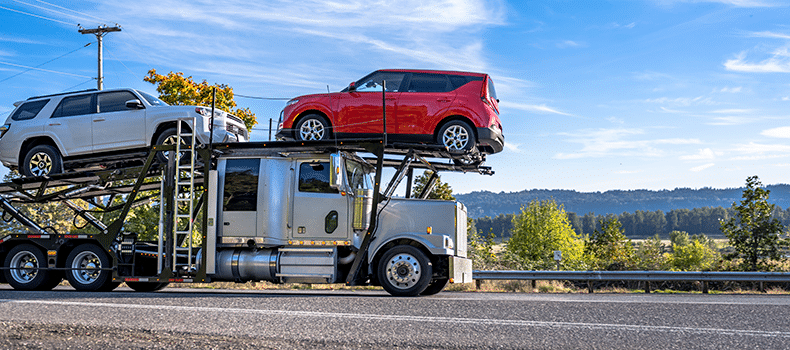
What’s the difference between open and enclosed transport?
Open transport is more affordable and works well for standard vehicles. Enclosed shipping is best for classic, luxury, or weather-sensitive cars.
Can I ship a non-running car?
Yes, but be sure to disclose this in advance. Your transporter may need specialized equipment, and the cost may be higher.
What does interstate car shipping cost?
On average, expect to pay between $500 and $1,000, depending on distance, vehicle type, and seasonality. Longer distances often mean lower per-mile costs.
How do I choose a trusted carrier on uShip?
Look for verified credentials, high ratings, and detailed reviews. uShip makes it easy to compare quotes and filter by experience.
Final Thoughts
Shipping your car across state lines doesn’t have to be stressful. With this car shipping checklist, you’re equipped to prep your vehicle like a pro, avoid common mistakes, and get the most value from your transport experience.
When you’re ready, uShip makes it easy to book a professional transporter, compare rates, and get your car where it needs to go, safely and affordably.