There’s nothing like the freedom of riding your motorcycle on the open road. But sometimes, whether you’re moving cross-country, relocating for a new job, or heading south for the winter, it just makes more sense to ship your bike than ride it.
That’s where professional motorcycle transport comes in. With a platform like uShip, you can connect with trusted transporters who specialize in long-distance motorcycle shipping. It’s a safer, more convenient alternative to loading it into the back of a pickup or towing it yourself.
That said, getting your motorcycle ready for the road ahead takes some prep work. Follow this 10-step checklist to help ensure your bike arrives at its destination in great condition, ready to ride.
1. Clean and Inspect Your Motorcycle
Start by giving your bike a thorough wash using mild soap and water. Cleaning removes dirt that can hide scratches or blemishes and makes it easier to spot any existing damage. Dry it off with a soft cloth and polish chrome areas to add protection.
Once it’s clean, inspect the bike for any scratches, dents, or cosmetic issues. Take dated photos from multiple angles and jot down notes on anything noticeable. This visual record will come in handy if you need to verify the bike’s condition after delivery. Be sure to record this information on the Bill of Lading or condition report.
2. Reduce Fuel and Check Fluids
For safety reasons, most transporters require your fuel tank to be no more than one-quarter full. A full tank adds weight and increases the risk of leaks or fire hazards.
While you’re at it, check your oil, brake fluid, and coolant. Top off if needed and make sure there are no leaks, as fluid spills can damage your bike or others nearby in transit.
3. Inspect Tires, Brakes, and Battery
Well-inflated tires make a big difference during loading, unloading, and securing. Inflate your tires to the manufacturer’s recommended PSI. If they’re overly worn, consider replacing them before the trip.
Check that your front and rear brakes are working properly, and test your lights and signals to confirm everything is functional. Lastly, ensure your battery is charged, corrosion-free, and securely fastened. Some carriers may ask you to disconnect it to avoid power drain or electrical issues.
4. Remove Accessories and Personal Items
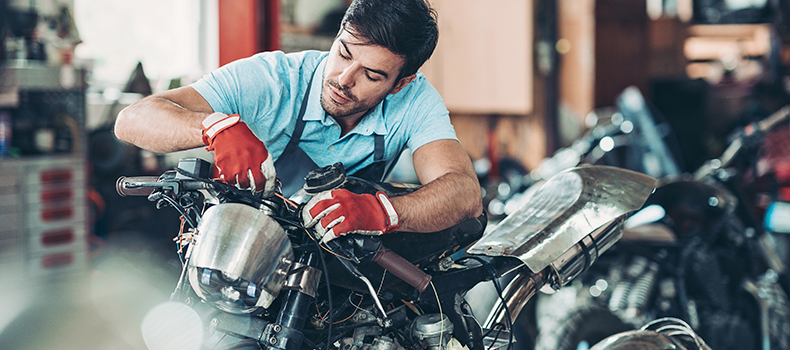
Detach anything that isn’t bolted down or essential to the bike. This includes:
- Saddlebags
- Luggage racks
- GPS or phone mounts
- Custom add-ons
- Personal items
Loose items can shift, cause damage, or get lost in transit—and they typically aren’t covered by standard carrier insurance.
5. Secure the Bike for Transport
While your carrier will handle the actual loading and securing, it helps to understand what to expect.
Motorcycles should be stabilized with a wheel chock or center stand during loading. For tie-downs, avoid bungee cords and opt for professional ratchet straps secured to solid frame points. This prevents movement and protects the bike throughout the journey.
6. Add Extra Protection to Vulnerable Areas
Even with enclosed shipping, a little padding goes a long way. Cover areas prone to scratches, like the gas tank, handlebars, and exhaust, with foam, bubble wrap, or a soft towel. It’s a simple step that can prevent cosmetic damage during handling or tie-down.
Some carriers include padding as part of their service, so ask in advance.
7. Disable Alarms and Prepare Keys
Before shipping, turn off any alarm or electronic security systems to prevent false alarms or battery drain.
Also, prepare two sets of keys: one for the transporter (ignition and any compartments), and one for you. This ensures your bike can be moved if needed during the journey.
8. Confirm Access and Timing
Make sure the pick-up and drop-off locations are accessible for large trucks. If your street is narrow or restricted, arrange an alternate meeting spot nearby.
Coordinate with your carrier about timing and availability. Ensure someone (you or a trusted contact) is available during pickup and delivery windows to oversee the process.
9. Review Insurance and Documents
Ask the carrier about their insurance policy:
- What’s the coverage limit?
- Are there deductibles?
- Do they offer optional upgrades?
Most carriers on uShip are required to carry cargo insurance, and coverage details are clearly listed on their profiles. For extra peace of mind, you can also add the optional uShip Protection Plan during checkout, which provides all-risk protection throughout transit.
Keep a copy of your signed condition report, shipping agreement, and insurance documentation in one place in case you need to reference them later.
10. Final Walkthrough Before Handoff
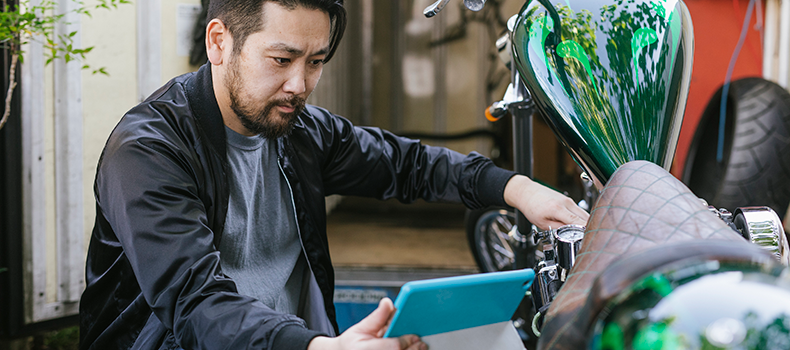
Do a final check before the carrier loads your bike:
- Tires are inflated
- Fluids are checked
- Battery is secure (or disconnected)
- Alarms are turned off
Walk around the motorcycle with your carrier and compare inspection notes. Sign the condition report and keep a copy for your records. This shared documentation protects both you and your transporter.
Final Thoughts
Getting your motorcycle ready for long-distance shipping doesn’t have to be stressful. With a little planning and the right transport partner, you can make sure your bike arrives safely and ready to ride.
Use this checklist to stay organized, minimize risk, and ship with confidence. And when you’re ready to book, uShip connects you with experienced, top-rated motorcycle carriers nationwide.
FAQs: Motorcycle Shipping Prep
How should I document my bike’s condition before shipping?
Wash the bike, then take dated photos from all angles. Record any existing damage in writing and on the Bill of Lading.
Why should I reduce the fuel level before transport?
Less fuel reduces weight and lowers the risk of leaks or fire. Most transporters require no more than 1/4 tank.
What tire pressure is ideal?
Follow the manufacturer’s recommended PSI. Proper inflation helps stabilize the bike during tie-down.
Should I disconnect the battery?
Some carriers may ask you to disconnect it. Even if not required, it can prevent power drain during long trips.
What accessories should I remove before shipping?
Remove saddlebags, luggage racks, GPS units, phone mounts, and anything not permanently attached.
Is a wheel chock necessary?
Yes. It helps keep the bike upright and secure. Most professional transporters use one during loading.
How can I protect sensitive parts?
Wrap the gas tank, handlebars, chrome, and exhaust with soft cloth, foam, or bubble wrap.
What keys should I provide to the carrier?
Provide ignition and compartment keys. Keep a spare set with you. Also, disable alarms before shipping.
What insurance options are available?
Carrier insurance is usually included and visible on their uShip profile. For extra protection, add the optional uShip Protection Plan at checkout.
What’s involved in the final inspection?
Do a full walkaround with the carrier, check your documentation, and sign the condition report. Keep a copy for your records.