TL;DR – Parcel Shipping vs Freight
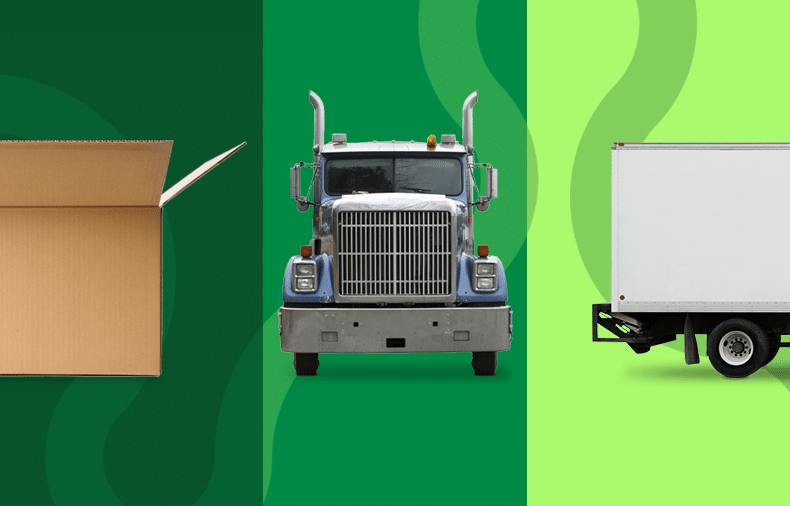
- Parcel vs. Freight: Parcel shipping is designed for small, lightweight, boxed items (typically under 150 lbs). Freight shipping is necessary for large, heavy, or palletized items that exceed standard parcel limits.
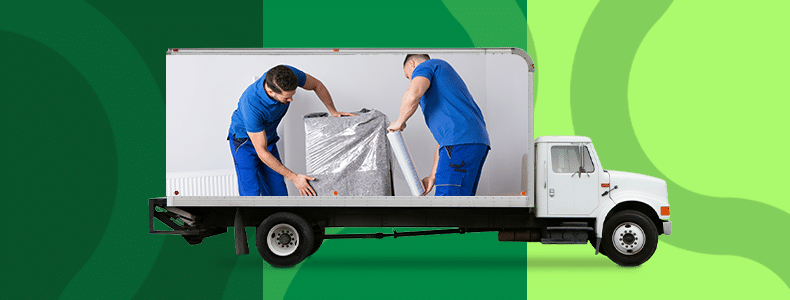
- The “Blanket Wrap” Alternative: For furniture and antiques, blanket wrap shipping is often the best choice; it provides specialized padding from the carrier, eliminating the need for complex crating or palletizing.
- Plan Before You List: Determine your shipping method early to price your items accurately, avoid surprise accessorial fees, and prevent rejected packages.
- Compare to Save: Never book the first quote you receive. Compare rates, transit times, and carrier feedback to find the best balance of cost and service for your specific shipment.
If you sell furniture, antiques, appliances, or other bulky items online, one of the first questions you need to answer isn’t “How much should I charge?” It’s “How am I going to ship this?” The freight vs parcel shipping decision shapes your costs, your timeline, and whether that item arrives in one piece.
This question comes up constantly for Facebook Marketplace sellers, Etsy furniture sellers, eBay sellers, antique and collectible dealers, auction sellers, and side hustlers reselling furniture, appliances, or equipment. Most of these sellers ship large or awkward items occasionally, not every day, which means the rules of parcel and freight shipping aren’t always second nature. Guess wrong, and you could end up with a rejected package, a surprise fee, or a damaged item, and an unhappy buyer.
This guide breaks down the difference between parcel and freight shipping, and notes a third, often superior, option for certain items: blanket wrap shipping. It also shows you how to tell which one your item needs, and explains the freight terms you’re likely to encounter when you start requesting quotes.
What Is Parcel Shipping?
Parcel shipping is the small-package delivery service most people already know: carriers like UPS, FedEx, and USPS pick up a box and deliver it, usually within a few days. It’s built for items that are small enough and light enough to move through standard sorting and delivery networks without special handling.
Parcel carriers set firm limits on what they’ll accept. Most cap packages around 150 pounds, though many services top out well below that. Dimensional limits typically apply too, often based on length plus girth or overall size. Go past those limits and you’ll either be rejected at drop-off or hit with oversize surcharges that can add significant cost to a shipment that seemed simple at first glance. Items requiring extra care, like fragile or irregularly shaped pieces, may also trigger additional handling fees.
Parcel shipping can work well for items such as small furniture pieces (side tables, stools, disassembled shelving), boxed electronics, small appliances, artwork in protective packaging, and most things that fit comfortably in a standard box or two.
What is Freight Shipping?
Freight shipping covers everything that’s too big, heavy, or awkward for standard parcel networks. Instead of moving through a parcel carrier’s sorting system, freight shipments typically travel on pallets via trucking networks built for large-scale, heavier cargo.
Freight is the right call for larger shipments, heavier items, and anything that needs to be palletized for safe transport, such as sofas, dining sets, mattresses, large appliances, exercise equipment, and antique furniture (to name a few). Some items also require specialized transportation, like climate control, extra padding, or liftgate service for delivery locations without a loading dock. Sellers moving furniture in particular tend to run into freight requirements quickly. If you’re weighing whether to handle a bulky piece yourself or work with a professional mover, understanding freight is a good place to start, and knowing what a professional furniture mover actually brings to the table can help you decide.
A Third Option: Blanket Wrap Shipping
For household goods like furniture, blanket wrap shipping is often a superior alternative. Unlike standard LTL freight, which requires crating or palletizing, blanket wrap services allow professional carriers to wrap items in protective, heavy-duty moving blankets and secure them directly inside the truck. This method requires no complex packaging from the seller and provides specialized care for bulky or fragile items, often leading to a safer and more convenient shipping experience…and it’s something carriers on uShip specialize in.
Parcel Shipping vs Freight: Side-by-Side Comparison
| Factor | Parcel Shipping | Freight Shipping | Blanket Wrap Shipping |
|---|---|---|---|
| Weight Capacity | Generally up to 150 lbs | 150 lbs and up, often much more | Flexible; ideal for heavy/bulky items |
| Size Limits | Strict length and girth limits (usually 108 x 130 inches) | Flexible, built for oversized items | Flexible; no strict length/girth limits |
| Packaging Requirements | Standard box or padded mailer | Palletizing, crating, or blanket wrap | Professional padding and blankets completed by carrier; no crating required |
| Tracking | Detailed, package-level tracking | Shipment-level tracking, less granular | Varies by carrier; often direct communication |
| Transit Process | Sorted through hub-and-spoke networks | Moved via LTL or dedicated trucking | Specialized trucking or white-glove service |
| Damage Risk | Low for properly boxed items | Higher without proper packaging or palletizing | Low; items are handled with specialized care |
| Cost Structure | Flat or weight-based rates | Based on weight, class, distance, and accessorials | Based on item type, distance, and carrier |
| Best For | Small, boxed, lightweight items | Large, heavy, or fragile items needing special handling | Furniture, antiques, fragile, high-value items |
| Available on uShip | No | Yes | Yes |
How to Tell Whether Your Item Needs Parcel, Freight, or Blanket Wrap Shipping
A few questions can settle most parcel vs. freight decisions before you ever request a quote.
Start with weight and dimensions. If an item is under roughly 150 pounds and fits within a standard box’s size limits, parcel shipping is usually the more affordable, more convenient option. Anything heavier or larger almost always needs freight.
Packaging matters just as much as size. Furniture and antiques often need to be crated, blanket-wrapped, or secured to a pallet, which parcel carriers aren’t set up to handle. Fragility is closely related: a lamp or mirror that could easily be boxed might still need freight-level packaging if it’s delicate enough that a bump during a multi-stop parcel route poses real risk.
Delivery requirements are worth checking too. If a buyer needs the item brought inside, upstairs, or to a specific room, that’s a freight and in-home delivery conversation, not a parcel one.
Pricing uncertainty is one of the biggest frustrations sellers run into once they start requesting freight quotes. Two quotes for what looks like the same shipment can come back with very different numbers, and it’s rarely obvious why. Usually, it comes down to accurate weight and dimensions, freight class, and which accessorial services are included. Understanding how freight quotes are built before you request one makes it much easier to compare offers apples-to-apples and avoid overpaying.
Freight Terms Sellers Should Understand Before Requesting Quotes
You don’t need to become a logistics expert to ship freight successfully, but a handful of terms come up in nearly every quote.
LTL Shipping. Less Than Truckload (LTL) shipping means your pallet shares truck space with other shipments rather than filling an entire trailer. It’s the most common and cost-effective option for individual sellers. For a deeper look at how it works and how pricing is determined, see this breakdown of freight class and LTL shipping.
Palletized Freight. Freight is typically secured to a pallet for safe handling and stacking during transport. Proper palletizing reduces damage risk and can affect your quoted price.
Accessorial Fees. These are additional charges for services beyond standard pickup and delivery, like liftgate service, inside delivery, or delivery to a residential address. Missing accessorials are one of the most common causes of surprise charges after booking.
Residential Delivery Services. Freight carriers are built around commercial docks, so delivering to a home usually requires accessorial services like liftgate use or curbside drop-off. If you’re not sure whether your shipment counts as LTL or needs a full truckload, this comparison of LTL vs. FTL freight can help you narrow it down.
Compare Shipping Options Before Choosing a Carrier
Once you know whether you’re looking at parcel, freight or blanket-wrap shipping, the next step is comparing your options rather than booking the first quote you receive. Prices, transit times, and service levels vary significantly between providers, even for the same shipment.
uShip’s marketplace lets you post your shipment and compare quotes from feedback-rated, experienced carriers side by side, so you can weigh cost against transit time and service level instead of guessing.
Reviewing carrier experience and past feedback gives you a clearer picture of who’s reliable before you commit, and comparing multiple offers keeps you in control of the tradeoffs that matter most to you, whether that’s speed, cost, or extra care for a fragile item. If keeping costs down is the priority, it’s worth reviewing general strategies for finding the cheapest way to ship large or heavy items before you request quotes.
For added peace of mind on higher-value items, the uShip Protection Plan is available at checkout to help cover loss or damage during transport.
Why Smart Sellers Plan Shipping Before Listing
Figuring out shipping after a buyer has already committed is where things tend to go wrong. Surprise fees, rejected packages, and damaged goods almost always trace back to a shipping decision made too late. Sellers who plan ahead, know their item’s weight and dimensions, understand whether it needs parcel or freight, and have a sense of realistic costs, list with more confidence and fewer headaches.
If you’re getting ready to sell an oversized or hard-to-ship item, start by understanding your options. Learn more about shipping as a seller and get a clearer picture of what it will take to get your item where it needs to go.
Frequently Asked Questions
Can furniture be shipped through UPS or FedEx? No, in most cases. Furniture typically exceeds the weight and size limits that parcel carriers like UPS and FedEx accept, and pieces that do fit often still need crating or wrapping that those carriers aren’t equipped to provide. Freight shipping is usually the better fit for furniture.
Can I get freight quotes before I sell an item? Yes. Getting a sense of freight costs before you list an item helps you price it accurately and avoid surprises later. You’ll need reasonably accurate weight and dimensions to get a useful estimate, but you don’t need a buyer lined up first.
Is freight shipping safe for antiques and fragile items? Yes, when the item is packaged and handled correctly. Antiques and fragile pieces typically need blanket wrap, crating, or other specialized packaging, along with a carrier experienced in handling delicate freight. Adding the uShip Protection Plan at checkout can offer extra peace of mind for higher-value pieces.
What information do I need to estimate freight shipping costs? At minimum, you’ll need accurate weight, dimensions, pickup and delivery locations, and whether the item is palletized or will need special handling. The more precise this information is, the more accurate your quotes will be, since discrepancies here are the most common cause of reweigh and reclass fees after booking.