Choosing between LTL (Less-than-Truckload) and FTL (Full Truckload) shipping can feel like trying to guess a moving target. Costs change, timing matters, and one small decision can affect your entire supply chain. But when you understand the core differences between LTL and FTL, you’ll know which shipping method protects your budget, your freight, and your delivery timeline.
This guide compares LTL, FTL, and partial truckload (PTL), explains pricing and transit trade-offs, and shows how platforms like uShip can help you make the right call faster.
LTL vs FTL in Freight Shipping

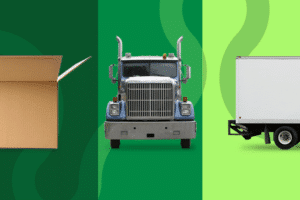
LTL (Less-than-Truckload) is best for shipments that don’t require a full trailer. Your freight shares space with other shippers’ loads, and you only pay for the portion you use. This makes it ideal for smaller, non-urgent shipments weighing between 150 and 15,000 lbs. However, because the trailer is shared, your freight may be transferred multiple times at different terminals, which can affect timing and increase handling risks.
FTL (Full Truckload) means you get an entire trailer to yourself. This method is more direct—your shipment goes from point A to point B with no terminal transfers, often with the same driver. You’ll pay more, but FTL provides faster transit, more control, and reduced risk of damage. It’s ideal for urgent, high-value, or fragile freight.
Partial Truckload (also called Volume LTL) sits between LTL and FTL. It’s perfect for shipments that are too big for LTL but don’t need an entire truck. This mode skips freight class requirements, reduces handling, and typically moves faster than LTL. For many businesses, PTL is the overlooked sweet spot.
Cost Comparison: LTL vs FTL vs PTL
LTL pricing depends on:
- Weight and dimensions
- Freight class (based on density, handling, and liability)
- Origin and destination ZIP codes
- Accessorial services like liftgate or residential delivery
To avoid surprise fees, it’s essential to measure your shipment accurately and declare the correct freight class. The good news? uShip calculates your LTL freight class automatically, based on the info you provide. That makes quoting and booking easier and more accurate from the start.
FTL pricing is simpler. You’re buying the full trailer for a fixed lane, based on mileage, equipment type (like reefer, flatbed, or dry van), fuel costs, and market demand. It’s ideal when you can fill most of the truck or when timing and handling precision are critical.
Partial Truckload pricing often beats both for larger LTL shipments (8–12 pallets or awkward shapes). It skips freight class, handles freight fewer times, and typically avoids terminal stops, which keeps transit faster and safer.
Transit Time and Freight Handling
LTL shipping often moves through terminal hubs, which means more touches and more potential for damage. Delivery estimates can be affected by traffic at these facilities, especially during peak season. Still, LTL is efficient on major shipping lanes and is a cost-effective option for flexible deliveries.
FTL shipping provides the fastest, most secure experience. There are fewer stops, fewer people handling the load, and shorter delivery windows. It’s the go-to for time-sensitive, high-value, or delicate cargo.
Partial Truckload balances cost and speed. It avoids freight terminals, reducing touchpoints and damage risk, and often delivers faster than LTL without the cost of full truckload.
When to Choose LTL Shipping
LTL is the right choice when:
- You’re shipping 1 to 6 pallets
- Your freight weighs under 10,000 to 15,000 lbs
- Budget matters more than delivery speed
- You’re okay with flexible pickup and delivery windows
- Your freight is packed securely and can withstand multiple transfers
Make sure to include any accessorial needs—such as a liftgate, inside delivery, or limited-access pickup—when booking. That avoids re-quotes and delays.
When to Choose FTL Shipping
FTL is best when:
- You’re shipping 10+ pallets or 15,000+ lbs
- Your freight is fragile, high-value, or sensitive to temperature
- Timing is critical, and you need dedicated space
- You want direct transit with fewer transfers
- You need special equipment, like a flatbed or reefer trailer
This option gives you more control over every leg of the shipment, which can be worth the premium price.
When Partial Truckload Is the Smarter Option
Partial Truckload works well for:
- Oversized or long freight that won’t fit LTL slots
- Shipments with flexible delivery times that don’t require an entire truck
- Freight that benefits from fewer transfers without FTL cost
- 8 to 12 pallets, or freight around 7,000 to 25,000 lbs
On uShip, partial truckload options appear alongside LTL and FTL quotes, so you can compare all three in one place. No guesswork, no hidden middle option.
How uShip Helps You Ship Smarter

uShip takes the stress out of choosing between LTL, FTL, and PTL by:
- Showing real-time rates across all three freight modes
- Auto-calculating freight class (for LTL)
- Letting you select accessorial services during booking
- Providing verified carrier reviews to support decision-making
- Offering optional cargo protection beyond basic carrier liability
- Giving you tracking, messaging, and document management in one dashboard
The result? Fewer surprises, clearer quotes, and more reliable delivery. Whether you’re moving a few pallets or a full truckload, uShip helps you get it done right the first time.
LTL vs FTL Freight: FAQs
1. How many pallets can I ship with LTL vs FTL?
LTL is ideal for 1 to 6 pallets. FTL typically starts to make sense at 10 or more, or around 15,000 lbs.
2. Which is faster: LTL or FTL?
FTL is usually faster, with direct transit and fewer stops. LTL moves efficiently on busy lanes but may slow down at terminals.
3. Is partial truckload the same as volume LTL?
Yes, they are often used interchangeably. PTL skips freight class, reduces handling, and fills the gap between LTL and FTL.
4. Can I ship fragile items via LTL?
Yes, but pack them well. Use corner guards, tight wrapping, or crates. For high-value or sensitive freight, FTL is a safer option.
5. What is the weight cutoff for FTL?
There’s no official number, but 15,000 lbs or half a trailer’s space is a good benchmark. Also consider dimensions and value.
6. Is insurance included with LTL and FTL?
Basic carrier liability is standard, but it usually covers just a few dollars per pound. On uShip, you can add cargo insurance that covers the full value.
7. How does uShip help with the LTL vs FTL decision?
You’ll see all three options side by side, including partial truckload. You can filter by equipment type, service level, and rating. No guesswork.
8. Can I ship hazmat via LTL or FTL?
Yes, but only with carriers licensed to handle hazardous materials. FTL offers more control and reduces compliance risk.
9. Do I need a dock or forklift for LTL delivery?
No, but if you don’t have one, request a liftgate during booking. It’s cheaper to plan ahead than to fix failed delivery attempts.
10. How far in advance should I book?
Book FTL and LTL shipments at least 2–3 business days ahead. For month-end or holidays, give it a week.
Final Takeaway
If you’ve ever felt stuck between cost and control, understanding LTL vs FTL vs partial truckload gives you the flexibility to ship smarter. Whether you’re a first-time shipper or managing complex logistics, uShip shows you every available route—so you can book with confidence and ship with peace of mind.