Do you need to transport your bike to another state, but don’t want to ride it the whole way? Interstate motorcycle shipping can be straightforward if you know the rules, understand what drives cost, and follow a few prep best practices. This guide breaks it down in plain English and shows how uShip helps you compare options so carriers compete for your business.
The Legal Stuff (Made Simple)
USDOT & Operating Authority (MC) numbers
For interstate, for-hire moves, carriers generally need both a USDOT number and Operating Authority (often called an MC number). The USDOT tracks safety; the Operating Authority dictates what the carrier is allowed to haul. FMCSA+1
Insurance basics
- Public liability (BI/PD) insurance is required at federally set minimums (e.g., $750,000 for most non-hazardous property carriers) and must be filed with the FMCSA. Legal Information Institute
- Cargo insurance is not a federal requirement for most for-hire property carriers; it is required for household-goods movers. Many motorcycle carriers still carry cargo coverage, but it’s not universally mandated by FMCSA. Always verify coverage. FMCSA+2FMCSA+2
Pro Tip: For total peace of mind, consider adding uShip Protection to your shipment. This will protect your bike and your wallet, regardless of your carrier’s insurance.
How to verify a transporter
Look up USDOT/MC status and safety data in FMCSA’s SAFER and related tools. It takes seconds and adds real peace of mind. FMCSA+1
Quick checklist for vetting carriers:
- USDOT & MC numbers active
- Proper insurance (ask for a certificate of insurance)
- Solid reviews and recent motorcycle experience
Smart questions to ask carriers before booking:
- How will you secure the bike? (wheel chocks, soft loops, strap points)
- Is the trailer open or enclosed? If open, do you recommend a breathable cover?
- What’s your pickup window and ETA?
- Are there any access constraints I should prepare for (narrow streets, snow, gates)?
What Really Drives the Price
- Distance & route: Longer lanes typically have lower per-mile costs but higher totals. Congested urban pickups or hard-to-reach rural roads can add time/fees.
- Timing & seasonality: Peak demand (spring/summer, with big events/rallies) tends to increase rates. Off-peak and mid-week flexibility can save money.
- Transport type: Open is usually the most affordable; enclosed costs more for added protection.
- Pickup/delivery: Door-to-door is convenient; terminal-to-terminal can be cheaper if you’re willing to meet at a hub.
- Bike specifics: This includes size and weight, modifications (e.g., extended bars, panniers), and whether the bike is running or not.
- Flexibility: Wider pickup/delivery windows attract more carrier options (and better pricing).
Pro move: Post your shipment on uShip and compare multiple bids side by side. Competition helps you find the best price for your service level, without having to call five different companies.
Open vs. Enclosed: Which Should You Choose?
| Feature | Open Transport | Enclosed Transport |
|---|---|---|
| Cost | Most budget-friendly | Higher (premium protection) |
| Protection | Exposed to weather/road dust | Shielded from elements/debris |
| Availability | Very common; easy to schedule | Fewer carriers; book earlier |
| Best for | Everyday bikes, budget moves | Vintage, custom, high-value bikes |
Most interstate shipments do great on open. Choose enclosed if you want the extra protection (or you’re shipping a high-dollar, custom build).
Door-to-Door vs. Terminal-to-Terminal
- Door-to-Door: Most convenient—pickup and delivery as close as safely possible. In tight neighborhoods, you might meet at a nearby lot.
- Terminal-to-Terminal: Often cheaper, but you’ll handle drop-off/pickup and mind terminal hours/storage windows.
Best Practices for a Smooth Motorcycle Shipping
1) Document the bike’s condition
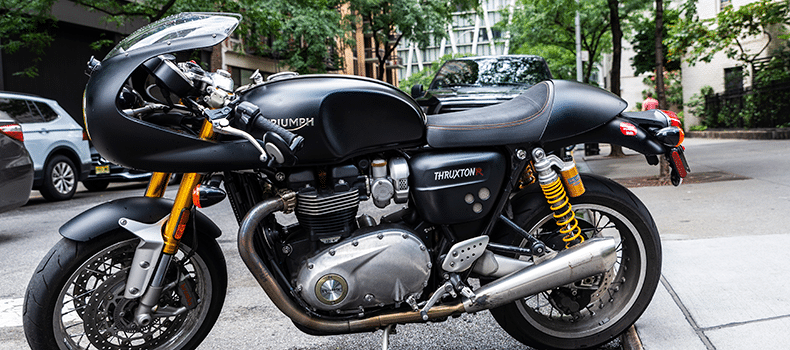
Wash, then take time-stamped photos from all angles (close-ups of any scuffs). Note VIN and odometer.
2) Remove loose accessories
Take off soft luggage, detachable windscreens, cameras, GPS, etc. Secure what must stay.
3) Fuel & battery
- Many carriers prefer about ¼ tank (or less) for loading safety; follow your carrier’s policy.
- If storing on arrival, disconnect the battery (or remove and trickle-charge).
4) Tires & fluids
Inflate to spec; check oil, brake fluid, and coolant (if liquid-cooled). Lube the chain.
5) Cover & protection
If shipping open, a breathable, fitted motorcycle cover helps; avoid plastic tarps that trap moisture.
6) Day-of logistics
Have keys, contact info, and access notes ready (gates, narrow streets). Review and keep a copy of the Bill of Lading at pickup and delivery.
Getting the Best Value (Without Sacrificing Care)
- Compare multiple quotes (not just one)
- Be flexible on dates to invite more bids
- Consider terminals if you want to cut cost
- Ask about coverage and get the COI (certificate of inspection)
- Check reviews & equipment (e.g., wheel chocks, soft ties, enclosed trailer availability).
How uShip Makes Interstate Shipping Easier
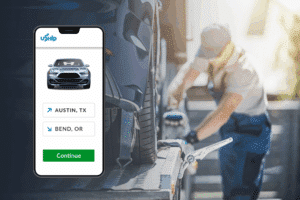
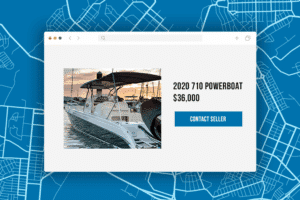
Compare options in one place
Post your bike once and see multiple carrier options side-by-side. If price is your top priority, great—you can spot it quickly. If you’d rather prioritize enclosed transport, tighter timing, or specific equipment, you can do that, too.
Pick what matters to you
Use simple filters to sort by price, delivery window, open vs. enclosed, equipment, insurance details, and recent motorcycle experience, so you can choose value, not just a number.
Talk directly to your carrier
Message carriers directly through uShip to confirm pickup access, routing, terminal vs. door-to-door, and any unique details about your bike (mods, bar width, panniers). Clear answers now = fewer surprises later.
Know who you’re hiring
View profiles, ratings, and verified feedback from other shippers, especially riders. Many carriers list USDOT/MC info and equipment on their profiles for quick confidence checks.
Keep everything organized
Quotes, messages, documents, and updates are all stored in one place. You can also add protection options at checkout for extra peace of mind.
Bottom line: uShip helps you match with the right transporter for your budget and service level, so carriers compete for your business, and you book the option that best suits you (and your bike).
FAQs
Do interstate carriers need USDOT and MC numbers?
Interstate carriers generally need USDOT and Operating Authority (MC). Verify status in FMCSA systems before you book. FMCSA+2FMCSA+2
Is cargo insurance legally required?
For most carriers, the FMCSA requires public liability insurance, not cargo insurance; however, cargo insurance is required for household-goods movers. Many motorcycle carriers carry cargo coverage anyway—ask for proof.
Open or enclosed—what’s better?
Open is usually cheapest and works for most bikes; enclosed adds protection for high-value or custom builds.
How can I lower the cost?
Book early, be flexible on dates, consider terminal options, and compare multiple bids on uShip so carriers compete for your business.
How can I quickly vet a carrier?
Check USDOT/MC status and safety in FMCSA’s online tools and review coverage and reviews before booking. FMCSA
Bottom line: Know the rules, prep the bike, and compare multiple transporter options. On uShip, carriers compete, allowing you to select the best combination of price and protection for your interstate motorcycle shipment.