EVs and hybrids aren’t niche anymore—they’re everywhere. Shipping them, though, isn’t quite the same as moving a gas car. Batteries, weight distribution, charging, and transport method all matter. The tips below will help you book the right service and make sure your EV or hybrid arrives safely and on budget. We’ll also show you how uShip lets you compare multiple carriers so you can choose the best fit for your needs, not just the lowest price.
Why EVs & Hybrids Need a Slightly Different Plan

EVs and hybrids ship much like gas-powered vehicles, but the weight of batteries and high-voltage systems introduces a few notable differences. Before you book, double-check the following:
- Weight & balance: Traction batteries are heavy and mounted low, which changes tie-down and loading considerations. Carriers experienced with EVs know how to secure without stressing battery trays or suspension components.
- High-voltage systems: Lithium-ion packs require sensible handling. While vehicles with batteries installed are typically shipped under special provisions (not handled like loose “hazmat” batteries), carriers still follow clear safety procedures and manufacturer guidance.
- Experience matters: The best vehicle carriers understand state of charge (SoC) targets, transport/tow modes, jack points, parking brake behavior, and how to route and park to avoid range or access issues at delivery.
Battery Management & Safety Basics
- Aim for a moderate SoC. Many carriers request an SoC (state of charge) in the ~20–60% range (always follow your carrier’s and manufacturer’s guidance). This leaves enough power for loading/unloading without storing the pack full.
- Use the right vehicle modes. Enable any OEM “Transport,” “Tow,” “Service,” or “Jack” mode if your vehicle supports it (and note air-suspension lockouts).
- 12V considerations. Some carriers prefer the 12V battery connected for powering locks/neutral modes during loading. If the car will sit after delivery, you or your receiving party can disconnect or maintain it. Confirm policy with your transporter.
- Emergency readiness. Experienced carriers carry extinguishers and know OEM guidance for EV incidents. That doesn’t make EV shipping risky; it just means you’re working with pros who have a plan.
Choosing Open vs. Enclosed Transport
Both open and enclosed transport are widely used for EVs/hybrids. Make your choice based on value and protection. Here are the pros and cons of both:
Open Transport
- Pros: Most affordable; easiest to schedule; great for everyday EVs (Leaf, Bolt EUV, Model 3/Y, Ioniq, Prius, etc.).
- Cons: Exposed to weather and road dust (similar to regular highway driving).
Enclosed Transport
- Pros: Shields from weather and debris; added discretion for high-value or custom vehicles.
- Cons: Costs more; fewer trucks and routes, so book earlier.
Rule of thumb: Daily drivers usually go open; choose enclosed for luxury, collector, or specialty finishes—or if you just want the extra peace of mind.
Prep Checklist for EV/Hybrid Shipping
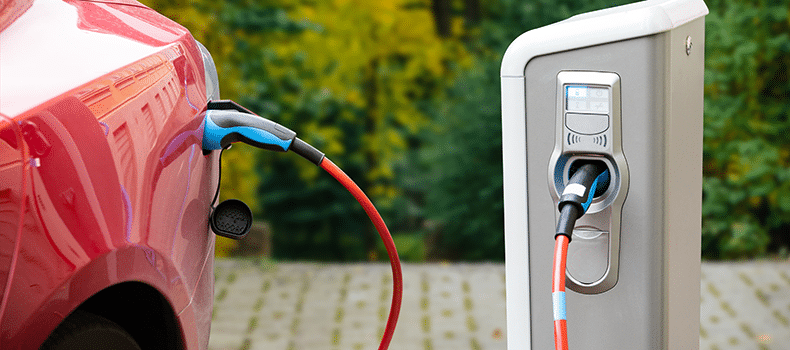
- Set SoC: Target the carrier’s requested range (commonly ~20–60%). Avoid 100% right before pickup.
- Wash & document: Clean the vehicle and take date-stamped photos (all sides, wheels, close-ups).
- Remove items: Take out personal belongings and loose accessories. Consider removing portable charge cords if you don’t want them in transit.
- Disable alerts: Turn off alarms; disable remote triggers that might honk/flash; note valet/transport mode as applicable.
- 12V battery: Confirm connect/disconnect preference with the carrier.
- Access notes: Share pickup/delivery constraints (gates, garage height, low clearances). Provide a backup contact.
Regulatory & Overseas Notes (What Changes Outside the U.S.)
- Domestic road moves: EVs with batteries installed are typically shipped under special provisions—your carrier still needs valid USDOT/Operating Authority and appropriate liability coverage.
- Ocean/air: Requirements get stricter. Many ocean carriers and forwarders set their own SoC caps (often ≤30%, sometimes lower) and may request OEM documentation or inspection. Your logistics partner will advise on IMDG/IATA requirements, SoC targets, and any additional forms.
Picking a Transporter with EV/Hybrid Experience
- Proven EV experience: Look for recent EV/hybrid reviews and photos of similar vehicles moved.
- Clear battery/SoC policy: They should state their SoC preference, transport/tow-mode steps, and tie-down approach.
- Insurance clarity: Request a Certificate of Insurance (liability and any cargo coverage) and review the limits and deductibles.
- Communication: Quick, specific answers about equipment (winch, soft straps, skates, low-clearance ramps) are a good sign.
How uShip Helps with EV & Hybrid Transport
- Compare in one place: Post your vehicle once and get multiple bids from experienced carriers. If price is your priority, you’ll see it. If you want enclosed, tighter windows or specific equipment, you’ll see those options too.
- Choose what matters: Filter and sort by price, timing, open vs. enclosed, equipment, insurance details, and EV experience, so you choose value, not just a number.
- Know who you’re hiring: Carrier profiles include ratings, recent reviews, completed shipments, and often USDOT/MC info.
- Stay organized: Quotes, messages, photos, and docs live in one thread. You can also add the uShip Protection Plan at checkout for extra peace of mind (optional, carrier coverage varies).
- Direct coordination: Message carriers to confirm SoC targets, transport/tow mode, pickup access, and delivery details. This means fewer surprises on the day of transport.
FAQs
1) How much should I charge my EV before shipping?
Follow the carrier’s request; ~20–60% SoC is commonly used. It leaves room for battery health and enough power to maneuver.
2) Is it safe to ship an EV or hybrid?
Yes, when handled by trained pros. Vehicles with installed batteries are routinely moved; experienced carriers follow OEM and industry best practices.
3) Does it cost more to ship an EV?
Sometimes. EVs can be heavier and may require specific equipment or enclosed service. Distance, route, timing, and service level all contribute to the final price.
4) Open vs. enclosed, which should I choose?
Daily drivers: open is usually perfect. Choose the enclosed option for luxury, collector, or custom finishes, or if you prefer additional protection.
5) Do I need to disconnect the 12V battery?
Ask your carrier. Many prefer it connected for loading; if the car will sit after delivery, the recipient can maintain or disconnect it.
6) Are there special rules for international shipping?
Yes. Ocean/air providers often require lower SoC and additional documentation and inspections. Your forwarder or carrier will advise on specifics.
7) What documents do I need?
Typical domestic moves: ownership/ID and carrier paperwork. International: plus export/import documents and any battery declarations required by the route.
8) How do I find EV-savvy carriers on uShip?
Post your listing, then check profiles and reviews for EV/hybrid jobs, equipment, and photos. Message carriers with EV-specific questions before booking.
9) Do I need extra insurance?
Carriers carry liability coverage; cargo coverage varies. You can also add the uShip Protection Plan at checkout if you want additional protection.
10) Any day-of tips?
Keep your phone on, have keys handy, confirm SoC and mode settings, and share any last-minute access notes. Take delivery photos just like you did at pickup.
Conclusion
EV and hybrid shipping doesn’t have to be complicated. Set a reasonable SoC, prep the car, and book a carrier that knows the OEM basics. On uShip, you can compare multiple transporters in one place, so carriers compete for your business and you pick the right combination of price, timing, and protection for your vehicle.