Need to ship a non-running car to the shop or back home? You’re not alone. Moving an inoperable vehicle can feel daunting, especially if you’re not sure how transporters handle cars that can’t start, roll, or steer. Do transporters even accept non-running cars? Will it cost more? How do you make sure it’s not damaged during the process?
The good news: yes, you can absolutely ship a non-running car. Many professional auto transporters specialize in moving inoperable vehicles safely and efficiently. Whether your car is a project build, a salvage vehicle, or simply needs repair, the key is to communicate your car’s condition clearly before pickup.
Let’s walk through how to ship a non-running car, which methods to use, how to prepare your vehicle, and what to expect in terms of cost.
What Counts as a “Non-Running” Vehicle?
Before anything else, transporters need to understand the exact condition of your car. The term “non-running” covers a range of scenarios, and your answers to the following questions will determine what type of equipment the carrier brings and how they quote your shipment:
- Does the car start but not move?
- Does it roll, steer, and brake?
- Is it completely inoperable?
These details help your carrier determine what loading tools, like a winch, liftgate, or forklift, they’ll need and how much labor to plan for.
The Best Shipping Methods for Non-Running Cars
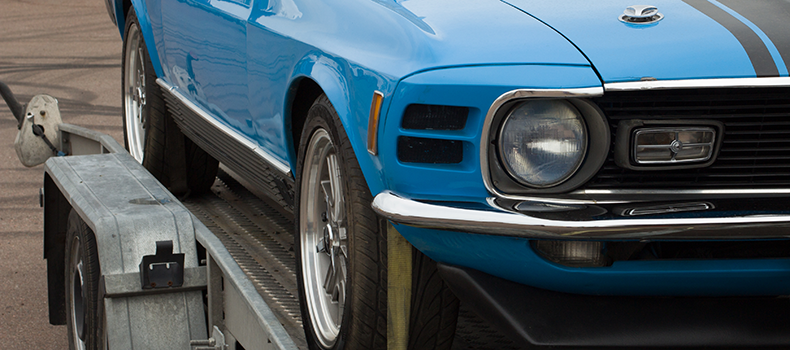
There are several ways to ship a non-operable vehicle, depending on its condition, value, and budget.
1. Winch-Equipped Open Trailer
If your car can roll but not start, a winch-equipped open trailer is often the most cost-effective solution. The carrier can pull the car onto the trailer while it’s in neutral. This option works well for vehicles with transmission or engine trouble and is ideal for short- to mid-distance moves.
2. Flatbed Trailer
A flatbed is the safest choice for completely inoperable vehicles that can’t roll or steer. These trailers allow your car to be lifted directly onto the bed, keeping it off the ground throughout transport. Flatbeds are often used for salvage cars or vehicles awaiting repair, offering excellent protection with minimal risk of additional damage.
3. Enclosed Trailer with Liftgate
For high-value cars, such as classics, exotics, or luxury vehicles, an enclosed trailer with a hydraulic liftgate is the best option. It offers full protection from weather, dust, and debris while preventing wear from the elements. This method is more expensive but ideal for preserving rare or collector vehicles during transit.
Pro tip: On uShip, you can easily compare transporters that offer these specific capabilities. When you create your listing, simply indicate your car’s condition (for example, “doesn’t start” or “doesn’t roll”), and carriers with the right equipment will bid to handle your shipment.
How to Prepare a Non-Running Car for Pickup
Proper preparation ensures a smoother and safer shipping experience, helping you avoid unexpected costs and delays.
- Inform the carrier of your car’s condition
Be transparent about whether the car starts, rolls, or steers. This allows the carrier to bring the correct tools and schedule enough time for pickup. - Remove personal items and loose parts
Transport companies typically aren’t authorized to carry personal belongings, and loose items can cause damage during loading or transit. Clear out electronics, tools, and any removable accessories. - Clean and document the vehicle
Wash the car and take photos from multiple angles, noting any existing scratches or dents that may be visible. Share these photos with your carrier as part of your inspection record. - Check tire pressure (if applicable)
If your car still rolls, ensure tires are properly inflated to make loading easier. If it’s completely inoperable, skip this step, but ensure your carrier is aware of the situation ahead of time.
Taking these steps ensures your shipment goes smoothly, and the final cost matches your initial quote.
Factors That Affect the Cost of Inoperable Vehicle Transport
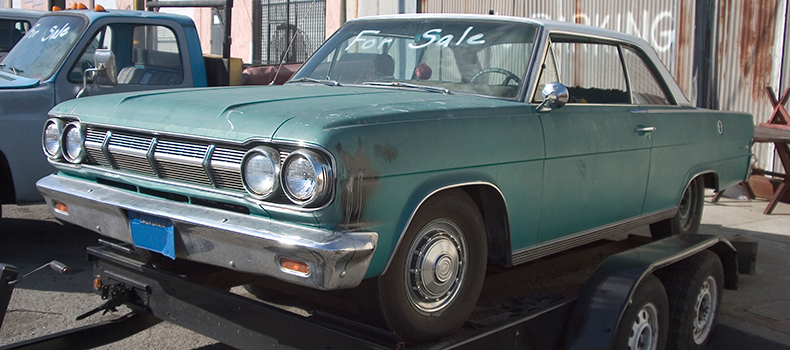
Shipping a non-running car costs slightly more than shipping a standard auto transport due to the extra work involved. The main cost factors include:
- Specialized equipment: Carriers use winches, liftgates, or forklifts to load your car safely.
- Extra labor and time: Non-operable cars require additional handling.
- Carrier availability: Fewer carriers handle inoperable cars, which can increase pricing.
On average, expect to pay $100 to $500 more than a comparable shipment for a running vehicle. The exact cost depends on the distance, vehicle type, and the carrier’s equipment.
Ship Your Non-Running Vehicle Confidently with uShip
Shipping a car that won’t start doesn’t have to be stressful. With the right preparation and the right partner, it’s a straightforward process.
uShip makes non-running car shipping easier by connecting you directly with experienced auto transporters who specialize in moving inoperable vehicles. On our marketplace, you can:
- Create a custom listing that clearly describes your car’s condition
- Receive multiple bids from qualified carriers competing for your shipment
- Compare ratings, insurance coverage, and delivery timelines in one place
- Track your shipment in real time and communicate directly with your transporter
With transparent pricing, optional protection plans, and responsive customer support, uShip helps ensure your non-running vehicle is handled safely and arrives exactly where it needs to go, without the hassle.
FAQs: Non-Running Car Shipping
1. Can I ship a car that doesn’t start?
Absolutely. Many carriers specialize in non-running car shipping. Just be sure to disclose your vehicle’s condition ahead of time so they can bring the proper equipment.
2. What’s the best way to transport a salvage car?
Flatbed trailers are ideal because they lift the vehicle completely off the ground, reducing the chance of damage.
3. Do all carriers handle inoperable vehicles?
No. Always confirm your chosen carrier is licensed, insured, and experienced in handling non-running vehicles.
4. Can I leave tools or parts inside the car?
It’s not recommended. Loose items can move during transport and cause damage.
5. How much more does it cost to ship a non-running car?
Usually $100–$500 more, depending on the carrier, equipment needed, and distance.
6. Is insurance included for inoperable cars?
Yes, but coverage varies by carrier. Always verify the extent of their liability and consider adding uShip’s Protection Plan for extra peace of mind.
7. How do I communicate the car’s condition to the transporter?
When creating a listing on uShip, specify details about your car’s condition in the form. You can also message carriers directly to confirm they have the right equipment.
8. Can I ship a non-running car internationally?
Yes, using Roll-on/Roll-off (RORO) vessels or shipping containers. Always confirm the port accepts inoperable vehicles.
9. How is a vehicle loaded if it can’t roll?
Carriers use winches, liftgates, cranes, or forklifts, depending on your car’s weight and accessibility.
10. How does uShip help with non-running car shipping?
uShip connects you with experienced transporters who are skilled in moving non-operable vehicles. You can compare bids, communicate directly, and track your shipment, all in one place.
TL;DR: You Can Ship a Non-Running Car—Just Be Honest About Its Condition
Yes, you can ship a car that won’t start. The key is letting your carrier know its exact condition ahead of time so they can bring the proper equipment and provide an accurate quote.
With uShip, shipping a non-running vehicle is simple. Create a listing that explains your car’s condition, receive multiple competitive bids, and choose the transporter that fits your budget and timeline. With built-in communication tools, real-time tracking, and insurance options, you can move your inoperable car confidently, without surprises.
Get a free quote on uShip and ship your non-running car with ease.