Regardless of the season, a significant concern when shipping your car is the weather. Snowstorms, ice storms, heatwaves, and thunderstorms can not only cause damage to your vehicle but also make it difficult to transport, making the process much more complicated. However, following the steps in this guide, you can rest assured that you’re ready for any significant or minor weather events when shipping a car.
So, why is all of this preparation necessary? Isn’t it just about getting from point A to point B? It’s imperative to have as safe a transportation method as possible before beginning this process. Getting comfortable with the weather risks, transport options, vehicle tweaks, and carrier communication will cover all bases to ensure a damage-free shipment. Let’s dive in!
Understand Weather-Related Risks
Before you compromise the likelihood of a successful shipment, ensure that you can plan for all weather-related issues. Every season has certain weather events that are particular to it.
Winter hazards
- Snow/ice: Black ice can cause headaches. Heavy trucking on unpaved gravel roads causes ruts.
- Corrosion: Road salt is used for de-icing pavements and is highly corrosive; it tends to cling to the bottom and lower regions.
- Low temperatures: Fluids freeze, battery dies, tires go flat, and susceptibility to undercarriage rust increases.
Summer fears
- Heat exposure: Paint may dull and chip. Tires can go flat, and the interior weather stripping becomes waxy.
- Hot tire blowouts: The air in tires expands with heat, increasing pressure and risk.
- Sun damage: UV rays crack dashboards, mold rarely dries seats, and turn paint colors brown.
Rain/thunderstorm
- Water intrusion: Extensive caution is needed when the dog days of summer arrive. Heavy rainstorms can splash moisture into the engine compartment, trunk, and cabin.
- Underbody rust: The more time the vehicle is exposed to moisture, the higher the risk of corrosion in the car’s metal.
- Erratic storm damages: Thunderstorms may leave fallen trees and debris blocking parts of the road. Check for potential detours before leaving.
Essentially, you can lose time, sustain property damage, or both because of the weather.
Determine the Best Shipping Method for the Weather
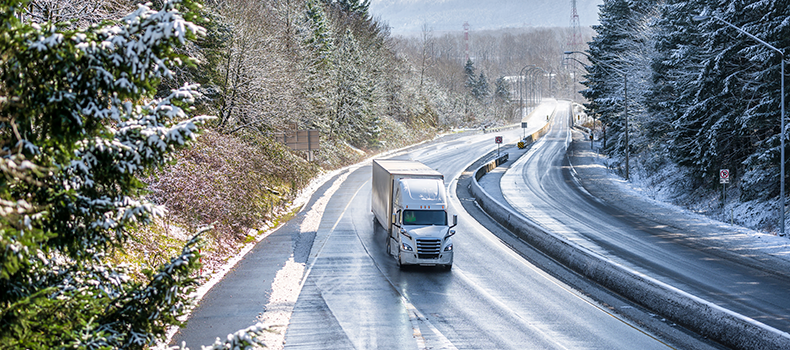
Selecting the appropriate shipping method is one of the most vital decisions you will make when transporting vehicles in extreme weather conditions. You primarily have two alternatives: enclosed transport and open transport.
Enclosed transport
Utilizing enclosed transport is your most prudent option when inclement weather occurs. Here’s what it provides:
- Best protection: Enclosed trailers shield your car from the outside elements, including snow, salt, rain, wind, dirt, tar, hail, ice, and UV rays.
- Limit damage: The enclosed nature of transport reduces the risk of scratches, dents, and other weather-related damage.
- Less anxiety: A car protected from the elements provides excellent peace of mind amid the unpredictability of extreme weather.
Open transport
Open transport is the cheaper option, but it also poses a risk in the event of extreme weather.
- Exposed to the elements: Your vehicle is vulnerable to the elements; rain, snow, sun, UV rays, wind, dirt, trash, soot, hail, salt, and road debris.
- Increased risk of damage: The likelihood of scratches, dents, and weather-related damage increases when transporting items in open containers.
- Vandalism/theft: Cars carried on open transport are at a higher risk of theft and vandalism. The protection your car has in enclosed transport isn’t available on an open carrier.
When to Ship
- Avoid severe weather: If possible, schedule your shipment to avoid coinciding with the peak season of bad weather (e.g., hurricane season, winter solstice, etc.).
- Be flexible: Ship flexibly so that you can adjust dates to mitigate adverse weather conditions.
Prepare Your Vehicle for Weather Risks
The first step in preparing your vehicle for transport is to prepare it for transport itself. Although this may seem tedious, spending just a little time preparing the car for the weather can save you a significant amount of money.
Clean and document
- Wash the vehicle: A clean car will ensure that dirt and grime do not become an issue when your vehicle arrives. Additionally, a clean car is easier to assess for any pre-existing damage when it is dropped off and when it is delivered.
- Take pictures: Thoroughly photograph and/or video the car in its entirety, ensuring that you capture any scratches, minor dents, or any other pre-existing damage, as you will want these on record in case of any future damage(see notes about insurance and transporting company liability).
Cover and secure
- If the car is being transported on an open vehicle carrier, consider covering sensitive areas, such as the windshield, headlights, and mirrors, with protective film or blankets to prevent damage.
- Remove any loose personal items from the car that are not necessary for the vehicle’s operation.
For the winter months
- Confirm that the vehicle has an adequate amount of antifreeze and that the engine is not susceptible to freezing.
- If the car has a smaller battery, confirm that it is fully charged before shipping, as freezing temperatures may affect the battery.
- Have only a quarter of a tank of gas in the vehicle. Not only is transporting a car with a full tank more dangerous, but it also adds more weight to the car, which could result in higher costs.
For the summer months
- Ensure there is sufficient coolant in the vehicle before departure.
- Adjust the tire pressure within the manufacturer’s recommended range before transport to avoid blowouts.
- Ensure all fluids, including oil, brake fluid, power steering fluid, windshield wiper fluid, etc., are at the recommended levels.
Communicate With Your Carrier
The carrier’s points of contact should be aware that you want to be proactive when dealing with adverse weather conditions. Communication is crucial. Here’s how to work together to ensure your shipment goes as smoothly as possible under challenging conditions.
Experience matters
- Inquire: Speaking with your transport carrier’s points of contact about their experience transporting vehicles in adverse weather is essential. Choose a transport provider that’s experienced and has a good track record with your type of vehicle movement, particularly in adverse weather conditions.
- Discuss: Ask if the transportation carrier’s point of contact thinks your scheduled pickup will take place in less-than-ideal weather conditions.
- Flexibility: Ask what both pickup and delivery dates mean, and consider being flexible with your schedule. Transporters who genuinely care about the safety of your vehicle from point to point will sometimes adjust their schedule to accommodate unexpected changes in weather conditions.
- Inquire: Before pickup, ask about other possible routes the carrier may take. Be clear with the transport point of contact about your “worst case” scenario regarding weather delays/detours.
- Evaluate: Frequent evaluation of weather forecasts between you and the carrier’s points of contact is vital because there is a chance of fog, rain, ice, snow, etc., along the route.
Benefits of open communication
- Stay informed: You receive updates on the vehicle’s location and potential weather-related delays.
- Address concerns: You can voice any concerns or questions during transit.
- Solve issues: Together, you can discuss and resolve any problems that arise during transport.
Insurance Considerations
Before committing to a transportation solution, carefully consider the insurance and liability provisions. Liability for weather-related damage varies by transporter.
Assess coverage options
- Review existing policy: Check your car insurance policy and the carrier’s policy to understand your coverage. See what types of damage are included or excluded.
- Supplemental transport insurance: Some companies offer policies specifically for car shipping. If you’re worried about hail, wind, or other types of weather damage that aren’t covered, consider supplementing your policy.
Document vehicle condition
As we discussed in Chapter 4, this documentation is critical. If you need to file a claim, you’ll want thorough before-and-after photos, videos, and documentation to prove the condition of the vehicle before shipping. Ensure you have copies and updated files of the potential damage that may occur during transport.
What to do if weather damage occurs
- Post-transport documentation: The first necessary documentation after your vehicle arrives is photos and videos of any damage, even if the surface damage is light. Additionally, obtain a written estimate from a licensed repair facility that includes any internal damage caused by hail or wind. Ask them for a soft copy by email to promote your claim. Record the date and time of photos/videos and property with the shop’s letterhead or signage visible in the frame. Have them finalize the estimate within 24 hours of your encounter.
- Claim process: Next, file a claim with the carrier and your insurance company/supplemental policy as soon as possible. Provide copies of vehicle damage photos/videos, the repair estimate, and a copy of your original shipping contract.
Timing and Seasonal Planning

Choosing the right time to ship your car is crucial, especially when navigating extreme weather conditions. Planning your car shipment with the seasons in mind can lead to a more successful and safer transport experience.
Avoid peak seasons
- Schedule avoidance: Try to avoid scheduling your auto transport during peak weather seasons, such as hurricane season (June 1 to November 30) or the peak winter months (December to February).
- Flexibility: If you need to ship your car during busy weather seasons, ensure you have built-in buffer time in your schedule for potential delays.
- Booking: Booking your car shipment in advance not only allows you more options if your carrier experiences weather delays, but it also gives you the best opportunity to find an available and reputable carrier.
- Tracking and updates: Utilize the tracking options provided by your carrier to stay informed about any potential weather delays that may affect your shipment.
Weather preparation
- Winter: Be prepared for over-the-road delays due to snow and road closures.
- Summer: Take precautions to protect against heat exposure and sun damage.
- Hurricane season: Be prepared for an unexpected hurricane or tropical storm, along with the possibility of changing routes and schedules.
Tips for Stress-Free Extreme Weather Shipping
Career scheduling
The uShip platform can help you evaluate experience in areas with severe weather conditions. Experienced transporters usually have reviews about driving in bad weather, so check them out and pick the one you feel is most reliable. However, you may need to schedule inspections, handle stalled paperwork, and so on. Be careful not to rush. If you had a little flexibility in the dates initially, you should ask the transporter to move the dates more to the front of the shipping period instead.
Contact your carrier
As with the previous point, reach out to your carrier of choice and ask any questions you may have. Carriers deal with bad weather and road closures, and the reviews on uShip from transporters should give you an idea of whether this crew is solid in this area or not. Don’t forget your shipping documents; ask about them beforehand and make sure you understand all the requirements.
Make sure the drop-off location is safe.
Ask about your drop-off location. Ensure it is easily accessible for a vehicle carrier and has sufficient space for them to navigate and unload. Many drop-offs may require multiple turns to get in or out of. Be sure their plan is safe and reasonable.
Use the uShip platform.
The uShip platform can help you evaluate experience in areas with severe weather conditions. Experienced transporters usually have reviews about driving in bad weather, so check them out and pick the one you feel is most reliable. If you had a little flexibility in the dates initially, you should ask the transporter to move the dates more to the front of the shipping period instead.
Conclusion: A Plan, Preparation, and Protection
Shipping a car in extreme weather is more complicated than a regular shipment, and if nothing else, it requires more preparation. However, your experience doesn’t need to be a disaster. The best way you can ensure your experience goes smoothly is to plan, prepare, and protect.
- Plan: Consider the potential weather-related risks to your vehicle, select a shipping approach that works best for you, and choose your shipping time carefully to avoid storms or delays.
- Prepare: Thoroughly clean your car and take photos for documentation. Protect vulnerable areas, such as the battery, oil, and windshield. Adjust fluids and tire pressure to accommodate the expected conditions.
- Protect: Stay in regular communication with your auto carrier before and during your shipment, double-check their insurance coverage against your own, and consider supplemental shipping protection if needed or required.
The extensive list of preparation tips will help you minimize the risk of severe weather damage when shipping your vehicle, and following the above guidance will ensure your car arrives in the same condition it was shipped in.
However, the best ways to minimize weather risk and worry include choosing your carrier wisely, opting for enclosed transport, and purchasing supplemental protection through uShip.
Frequently Asked Questions
Can I ship a car during snowstorms or hurricanes?
Due to safety and other concerns, we recommend that you refrain from shipping a vehicle during snowstorms or hurricanes, or when they are forecasted. Most carriers will halt their operations during these times, and your vehicle is likely to stay on the carrier’s truck until the weather clears. So wait for the forecast to clear up before scheduling your shipment.
Is enclosed transport necessary in extreme weather?
It’s not required, but we highly recommend it if you’re shipping in bad weather. Enclosed transport offers the best protection from the elements and outside conditions that may damage your vehicle.
How do I prepare my car for winter or summer shipping?
Winter preparations should include checking antifreeze levels, checking the battery charge, ensuring the fuel tank is only a quarter full, inflating the tires, and keeping the car unlocked. Summer preparation should include checking coolant levels, inflating tires, inspecting fluid levels, ensuring the battery is in good condition, and opting for an early-morning or late-evening pickup when temperatures are cooler.
What happens if my shipment is delayed due to weather?
Keep close communication with your carrier. They will keep you informed of any changes in the forecast that impact the shipment, and they’ll adjust delivery estimates as needed.
Does uShip provide weather risk guidance for shippers?
uShip can connect you with experienced carriers who can navigate extreme weather as necessary. But be sure and discuss your specific shipping needs and concerns with any carrier you’re considering.
Is supplemental insurance recommended for shipments that are weather-sensitive?
Yes, we recommend considering supplemental protection when shipping in bad weather, as it provides additional peace of mind against adverse conditions that can lead to damage.
How can I track my car safely during extreme conditions?
Utilize the tracking features provided by your carrier to monitor your vehicle as it is shipped. Be mindful of weather conditions that may cause delays and stay in contact with the carrier to discuss any concerns.