
LTL FREIGHT SHIPPING
Flexible, Convenient, and Affordable LTL Shipping Solutions for Businesses
Get Shipping Quotes SMART SHIPPING
 EASY TRACKING
 SECURE PAYMENTS
 USHIP GUARANTEE
LTL FREIGHT QUOTES FROM USHIP
Regardless of the size of your business, finding affordable LTL shipping rates can be extremely challenging and downright exhausting. uShip understands that as a business owner, navigating dozens of websites and making multiple phone calls just to compare shipping quotes is a waste of valuable time. Our freight shipping marketplace provides a straightforward way to run quotes from numerous LTL carriers with just a few clicks.
uShip is committed to helping users find the perfect carrier and has seen great success in pairing business shippers with LTL carriers. With an easy-to-use, tech-driven interface that allows users to identify the most cost-effective LTL carrier for their needs, uShip is revolutionizing how businesses ship their freight. Get started today by comparing LTL freight quotes now
Looking for a Money-Saving LTL Shipping Solution that Works?
Sign Me UpWHAT IS LTL SHIPPING?
LTL stands for “less than truckload,” which is a shipping service ideal for small freight, products, and goods that do not require the use of a full truckload. LTL is a great option when shipping palletized or crated freight that weighs between 150 and 15,000 pounds.
When shipping LTL, you only pay for the portion of your freight’s space in a standard truck trailer. Pallets, crates, bundles, and other types of freight from many businesses are combined to create a full truckload shipment. Essentially, you are sharing the cost of a full truckload with other businesses.
These separate shipments are managed via a hub and spoke system, comparable to how air transportation works – LTL drivers will pick up freight from local businesses and then take it back to a terminal to be sorted and placed on the appropriate trailer for delivery. The cargo might be moved and sorted many times throughout its journey.
WHAT IS LTL FREIGHT?
From engines and transmissions to furniture and machinery, less than truckload (LTL) freight can defined as anything shipped in crates or on pallets. For example, durable items like bricks would be stacked on a pallet, while more fragile items, such as furniture, would be fully crated.
Most freight trailers on the road today are 8’ – 8.5’ wide, 12.5’ – 13.5’ high, and 40’ – 53’ long, allowing carriers to load several LTL shipments into a single truck and service multiple customers and destinations.
LTL freight carriers efficiently optimize loads to ensure max profit. For LTL carriers to earn the most money possible, they must carefully fit as much freight into the truck as they can.
Similarly, their organizational efforts end up saving you a lot of money; the more freight LTL carriers can neatly stack inside of a trailer, the better the price they can offer.
HOW LTL SHIPPING WORKS
LTL freight works by efficiently combining partial loads to create full truck loads. Once you’ve scheduled your shipment, your LTL carrier will come to your place of business to pick up your freight within a certain timeframe.
Then, your freight is taken back to the carrier’s local terminal, unloaded, and then loaded into another trailer en route to its final destination terminal. Lastly, the freight is unloaded at the final destination terminal; it is then put on another smaller truck to be delivered to the desired address.
With LTL transport, it is customary to reserve the trailer in advance. Jobs that have been scheduled early will be given preferential treatment over jobs ordered last minute. If there are any delays on the driver’s part, you will still owe for the transport cost, so it’s best to schedule ahead of time if possible.
WHEN TO USE LESS THAN TRUCKLOAD SERVICES
As a rule of thumb, if your freight is on a pallet or in a crate, you can ship it LTL. However, each carrier has its restrictions on the commodities they will transport. If you are unsure about your cargo, be sure to check with your LTL carrier for more information. To determine if LTL freight shipping is right for you, ask yourself the following questions:
- Is my freight within size limits?
- Am I, or an agent, available to load and unload the shipment?
- Can I consolidate and palletize or crate my shipment?
- Am I comfortable sharing trailer space with other freight shipments?
- Do I understand the timeline restrictions of LTL freight?
Additionally, less than truckload shipping is an ideal option when a business has a lot of freight that needs to be transported between the same locations on a quarterly or monthly basis.
PROS AND CONS OF LTL DELIVERY
When it comes to shipping LTL freight, there are many pros and cons to consider. Sometimes it might make more sense to source an alternative way to ship if the risks outweigh the benefits of less than truckload services. For example, if it’s cheaper to ship a box via parcel, you should consider that instead.
PROS OF LTL DELIVERY
Businesses looking to improve their bottom line typically stray away from traditional shipping methods and opt for LTL due to its pricing structure. Other reasons that make LTL a smart choice include:
- Reduced Cost: The most significant benefit of using LTL is the cost. Since you share space with other businesses, you only pay for the portion of the trailer your freight occupies.
- Environmentally Friendly: The importance of becoming a green business is increasing. LTL freight helps you take a step in the right direction by reducing emissions.
- Minimizes Risks: Since packages are handled more frequently with increased stops, freight shippers are encouraged to load their cargo onto sturdy pallets and into durable crates. These protect the shipment from wear, other freight, and loss of individual packages.
- Easy Tracking: Many carriers will provide real-time tracking that includes stop-offs, pick-ups, and delivery. If you are shipping with multiple carriers, uShip offers a free portal to track your shipments all in one place.
- Service Options: The vast majority of LTL carriers offer many services such as notifications, inside pick-up and delivery, liftgate, special handling, and more.
- Minimized Risk: Since LTL carriers require shipments to be packed into durable crates or stacked neatly on pallets, the risk of damage is significantly reduced.
CONS OF LTL DELIVERY
While LTL shipping might make sense for most business shippers, there are reasons that can make it less appealing to others. Some of those reasons are:
- Potential Longer Shipping Times: Being that shipment pickup times are dependent on the businesses sharing the truck, any issues occurring before your pickup can cause delays or even your shipment to be missed completely.
- Less Secure: There’s no doubt that LTL is much more secure than most shipping methods; however, there are risks involved when compared to FTL shipping. LTL shipping requires your freight to be handled quite a bit since you are sharing a trailer, whereas FTL shipping is a dedicated truck for your freight only.
- Less Predictable: Since your freight will be traveling around and making different stops en route to its final destination, delays will happen.
- Prone to Damage and Loss: Even though shipping via LTL is very safe, damage can still occur. Since the freight is loaded and unloaded multiple times throughout its journey, damage and complete loss can occur.
All things considered, less than truckload shipping is still a great way to ship pallets and crates due to its convenience and affordability.

LTL VS FTL SHIPPING
LTL and FTL differ in the amount of trailer space required by a single freight shipment. Less than truckload (LTL) is used when freight only takes up a portion of a trailer, whereas a full truckload (FTL) fills up the entire space. Additionally, when you use LTL, you share the cost of a full truckload with other shippers.
LTL VS FTL SHIPPING
LTL and FTL differ in the amount of trailer space required by a single freight shipment. Less than truckload (LTL) is used when freight only takes up a portion of a trailer, whereas a full truckload (FTL) fills up the entire space. Additionally, when you use LTL, you share the cost of a full truckload with other shippers.

FREIGHT VS. MOVING SERVICES
When consumers move households, they sometimes wonder if freight is a good option. While freight services, such as LTL, are primarily for shipping commercial goods, you can use them to ship household goods as well. That said, you would want to consider the benefits and risks of doing so.
FREIGHT VS. MOVING SERVICES
When consumers move households, they sometimes wonder if freight is a good option. While freight services, such as LTL, are primarily for shipping commercial goods, you can use them to ship household goods as well. That said, you would want to consider the benefits and risks of doing so.
TYPES OF LTL CARRIERS
When shipping less than truckload freight, there are three types of carriers to choose from: local, regional, and national. Each type of carrier comes with its own set of advantages and disadvantages. For the best experience, compare your needs against each carrier type.
Local Carriers
Local carriers usually operate a small fleet of trucks to serve an area up to a radius of 100 miles within a major metropolitan commercial zone. These types of carriers are best for last-mile delivery and personalized services. Disadvantages include slower delivery times, higher rates, and poor technology.
Regional carriers
Regional carriers serve different geographic sections of the United States. They have more trucks on the road as opposed to local carriers. As a result, regional carriers are able to offer specialized services and faster transit times. Furthermore, regional LTL carriers also act as partners for national carriers to fill in coverage gaps.
National LTL Carriers
National carriers are able to offer freight services to all 50 states. However, some carriers limit their services to the lower 48. They work through a complex system of national terminals and are able to pick up and deliver freight anywhere in the United States. Benefits include competitive rates, better technology, and coverage. uShip’s carrier base is primarily made up of the top national LTL carriers.
COST TO SHIP LTL FREIGHT
The cost to ship LTL freight can range from $50 to $5,000+ depending on numerous factors, including the type of freight you’re shipping, the dimensions, the distance the freight will travel, and the type of LTL services you require. To see how much it might cost to ship your LTL freight, see our freight cost calculator.
FACTORS DETERMINING LTL SHIPPING RATES
- Distance: The further your freight will travel, the higher the price.
- Fuel: Rates are calculated using several factors like current gas prices.
- Shipment Specs: This includes the freight’s weight and dimensions.
- Type of Freight: The type of freight has a major impact on the price. For example, shipping an engine versus a pallet of bricks.
- Location Type: LTL freight not being shipped dock to dock will be more expensive. For example, shipping to a trade show or to a military base would increase the price.
Keep in mind that LTL shipping rates are considerably cheaper than transporting bulky items via parcel.
LTL SHIPPING SERVICES AND FREIGHT ACCESSORIALS
Less than truckload (LTL) carriers offer a variety of useful service options that allow you to customize your shipment based on your requirements.
Before ordering a pickup from a freight carrier, ensure you know what type of services you need. For example, if you don’t have a loading dock at your business, make sure you note that information in your quote to receive correct pricing. Additionally, if you are delivering to a warehouse such as Amazon FBA, you will want to find a carrier who has experience with that kind of service.
For a full list of options, see our guide on services and accessorials.

FREIGHT CLASS
Developed by the National Motor Freight Traffic Association (NMFTA), less than truckload freight classes standardize freight pricing. It is a measurement used by carriers to determine the base rate of a shipment. Almost every single shippable item is given an NMFC code which is then assigned to a freight class.
There are 18 freight classes ranging from class 50 (the lowest price) to 500 (the most expensive). The denser the item, the lower the class. For example, a dense pallet of bricks would be a class 50, while a pallet of ping pong balls would be a class 500.
The good news is that when you use uShip, you don’t have to worry about calculating complex NMFC codes as we price freight based on density.
FREIGHT CLASS
Developed by the National Motor Freight Traffic Association (NMFTA), less than truckload freight classes standardize freight pricing. It is a measurement used by carriers to determine the base rate of a shipment. Almost every single shippable item is given an NMFC code which is then assigned to a freight class.
There are 18 freight classes ranging from class 50 (the lowest price) to 500 (the most expensive). The denser the item, the lower the class. For example, a dense pallet of bricks would be a class 50, while a pallet of ping pong balls would be a class 500.
The good news is that when you use uShip, you don’t have to worry about calculating complex NMFC codes as we price freight based on density.
HOW TO SHIP LTL FREIGHT
Not only does preparing your LTL freight properly for transport reduce the risk of damage, but it also helps you avoid missed pickups. If your freight isn’t correctly crated, bundled, or palletized, your carrier will skip your pick up, advise you to correct the issues, and return the following business day to reattempt.
Keep in mind that each carrier has a list of shipment requirements called a “rules tariff,” laying out how your pallet or crate should be prepared. The end goal is to keep everyone’s cargo protected from moving around during transport. Consider the following helpful tips when preparing your LTL cargo for transport:
- Stack goods with the heaviest items on the bottom and refrain from any overhang.
- Use straps and shrink wrap to ensure goods properly stay together.
- When packaging your LTL shipment, aligning goods on the pallet is best practice. Staggering is okay but is 33% weaker.
- Create and place a label on each pallet. Make sure the complete address information, postal codes of the shipper and consignee, and phone numbers are present and visible.
- Weigh and measure your freight.
PREPARING FREIGHT GUIDES
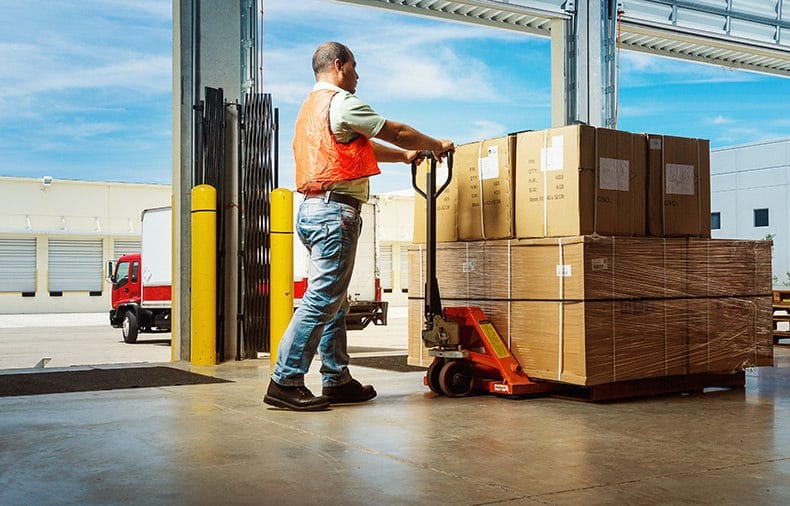
Pallets are portable bases used for freight shipping to transport multiple packaged items or containers.

Crating freight offers undeniable protection when it comes to shipping furniture, machinery, auto parts, and other fragile items.
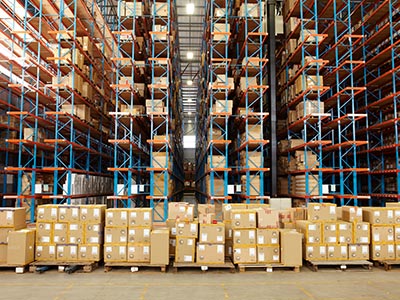
Measuring freight is often confusing for beginners. If you do not know how to measure your freight properly, you run the risk of paying additional fees after delivery.

DOCUMENTS NEEDED FOR LTL FREIGHT SHIPPING
To ensure a smooth shipment and avoid potential delays, it’s important to collect all of the documentation needed for your freight. Here is what to consider:
- Bill of Lading (BOL): A BOL provides important information about your shipment to both the carrier and the driver.
- Freight Bill: A freight bill is the invoice for all freight charges associated with a shipment.
- Proof of Delivery (POD): A POD is a document that used when a shipment is delivered. The consignee (recipient of the freight) signs this document to confirm delivery; however some carriers use the BOL as confirmation in lieu of a POD.
- Weight and Inspection Report (W&I): A W&I report is an official document provided by a carrier that records the official dimensions and weight of your shipment.
- Cargo Claims Form: A claims form is to only be completed if your cargo is delivered damaged, short, or missing.
DOCUMENTS NEEDED FOR LTL FREIGHT SHIPPING
To ensure a smooth shipment and avoid potential delays, it’s important to collect all of the documentation needed for your freight. Here is what to consider:
- Bill of Lading (BOL): A BOL provides important information about your shipment to both the carrier and the driver.
- Freight Bill: A freight bill is the invoice for all freight charges associated with a shipment.
- Proof of Delivery (POD): A POD is a document that used when a shipment is delivered. The consignee (recipient of the freight) signs this document to confirm delivery; however some carriers use the BOL as confirmation in lieu of a POD.
- Weight and Inspection Report (W&I): A W&I report is an official document provided by a carrier that records the official dimensions and weight of your shipment.
- Cargo Claims Form: A claims form is to only be completed if your cargo is delivered damaged, short, or missing.
HOW USHIP CAN HELP WITH YOUR LTL SHIPMENTS
uShip is an online shipping marketplace that connects shippers to carriers with empty trailer space. As a result, businesses receive the benefit of low-cost LTL shipping rates. uShip has strong relationships with some of the best less than truckload companies in the industry, resulting in extreme savings.
uShip’s marketplace makes it easy to find the best shipping options for both your LTL freight needs and your budget. Create your listing with your needs and be as detailed as possible. Once you complete your listing, the freight shipping calculator will provide instant LTL rates. You can accept one of those rates, or you can take your freight shipment to auction. There, you’ll get LTL quotes from transport specialists as they bid for your business.
Why uShip?
- Rebill Protection: uShip audits your invoice to ensure your carrier made no mistakes on your final bill.
- Load Your Own Rates: If you have your own rates with other carriers, feel free to upload them to your uShip portal. By doing this, you can compare your contract rates against ours, all in one place. Thus, eliminating bouncing around various freight websites for quotes.
- Customer Specific Rates: If we notice that your shipping an adequate amount of volume, we can offer account-specific pricing.
- Referral Program: Do you know of other businesses in need of LTL shipping services? If so, refer them to experience uShip, and you’ll receive shipment credits and other rewards in return.
- Protection: Did you know that LTL pickups do not automatically come with full coverage protection? uShip fills protection gaps and offers the option to purchase a protection plan for select shipments.
- Account Management: Frequent shippers can enjoy the benefits of having their own account manager here at uShip.
READY FOR YOUR LTL FREIGHT SHIPPING QUOTES?
Get StartedUSHIP LTL CASE STUDIES
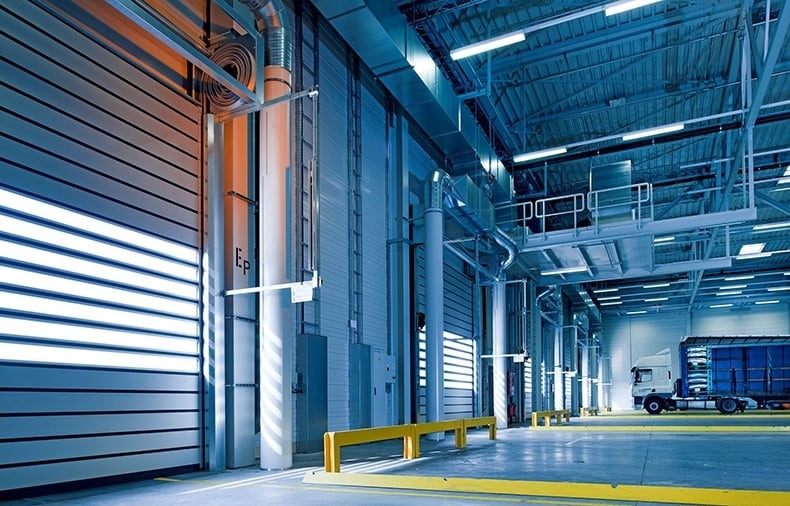
Illumitex is a national LED light producer and saved over 28% on shipping after switching to uShip.

CrankyApe is an online RV, power sport, and marine unite reseller. They were able to increase their inventory by 30% due to faster turnaround times.
Fusion3 produces low-cost, high-performance 3D printers and saved 20% on transportation costs.