
Key Findings
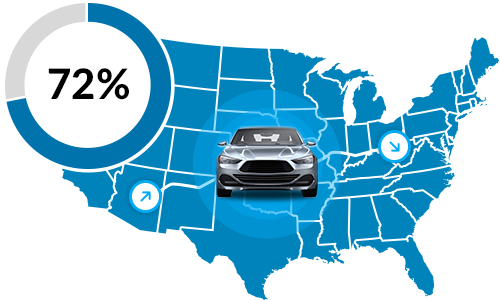
72% of buyers who searched 30+ miles away did it to find the best price
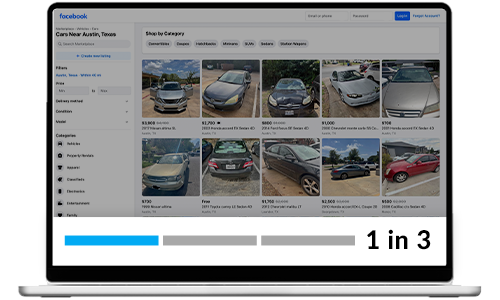
1 in 3 buyers searched Facebook Marketplace, but only 7% bought there

58% of buyers under 34 considered vehicle delivery, vs. 28% of buyers 35+
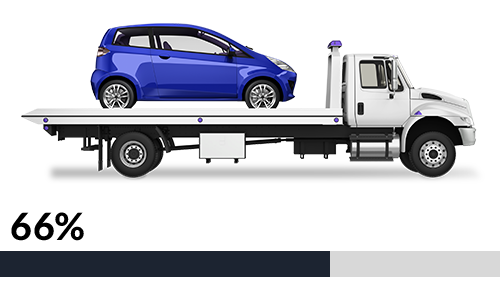
66% of buyers who purchased 100+ miles away shipped or seriously considered it
Introduction
Not long ago, buying a car meant visiting the dealerships nearest to you, picking from what was on the lot, and driving it home the same day.
That experience still exists. But for a growing share of American car buyers, it no longer describes the whole picture. Online inventory tools, digital retailers, and peer-to-peer marketplaces have quietly redrawn the geography of car shopping. Today, buyers routinely search dozens or even hundreds of miles from home, tracking down specific models, chasing better prices, and completing transactions with sellers they've never met in person.
uShip surveyed 426 U.S. adults who purchased a car or truck in the past 12 months to understand how this is really playing out. We asked where they searched, how far they were willing to go, what motivated them to look beyond their local market, where they ultimately bought, and how they thought about getting the vehicle home.
The results are clear: car buying has gone the distance. And for buyers willing to expand their search, understanding your options for getting that vehicle home is now part of making a smart purchase.
Where Americans Look for Cars
The modern car shopper uses multiple channels
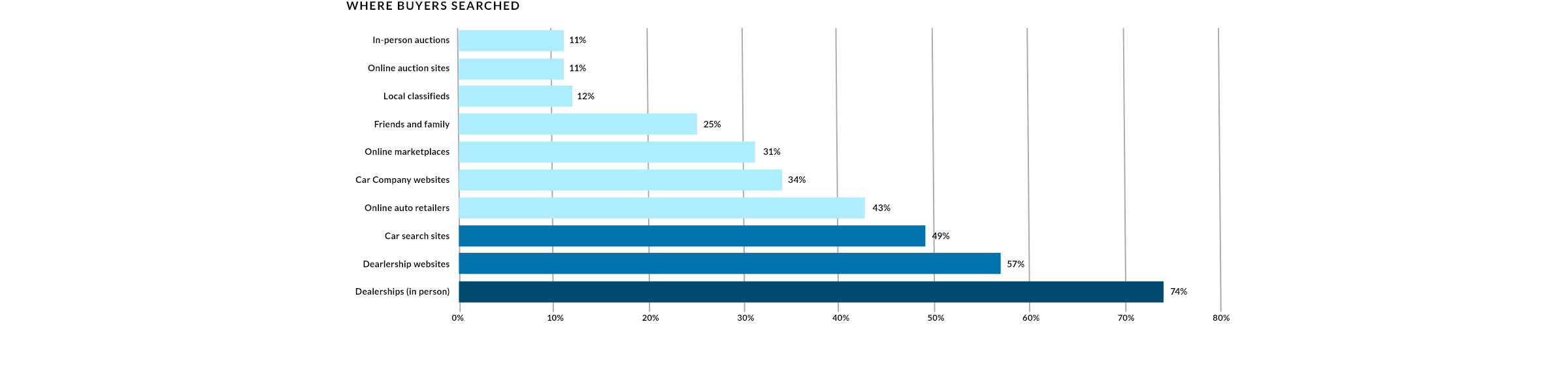
Today's car buyer isn't loyal to a single source. Most buyers cobbled together their search across several platforms: dealership lots, websites, apps, and peer-to-peer marketplaces. On average, buyers used more than three search methods.
The in-person dealership visit is still the most common starting point, but it's no longer the only one. Car search sites and online retailers each drew nearly half of all buyers, reflecting how much of the research phase has migrated online.
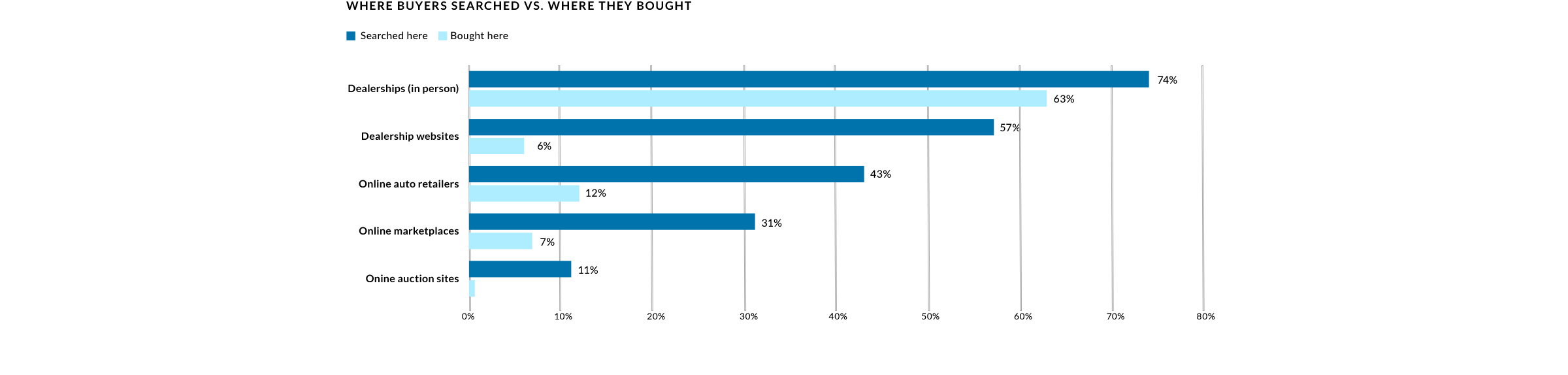
Perhaps most striking: roughly 1 in 3 buyers (31%) included peer-to-peer marketplaces like Craigslist and Facebook Marketplace in their search.
Younger buyers search more aggressively and more digitally
Buyers under 34 used 4 different search methods on average, compared to 3 for buyers 35+. And they skewed heavily toward digital channels, sometimes by a factor of two.


Why most marketplace browsers don't become buyers
Facebook Marketplace draws enormous interest from car shoppers: 1 in 3 buyers used it in their search. But browsing and buying are two very different things.
The practical implication: there's a large audience of price-motivated shoppers already browsing private seller marketplaces who haven't found a way to make that transaction feel safe. Education about how to verify a vehicle's history, arrange an inspection, and handle long-distance logistics is what this group needs most.
How Far Buyers Are Willing to Go
Most buyers search beyond 30 miles
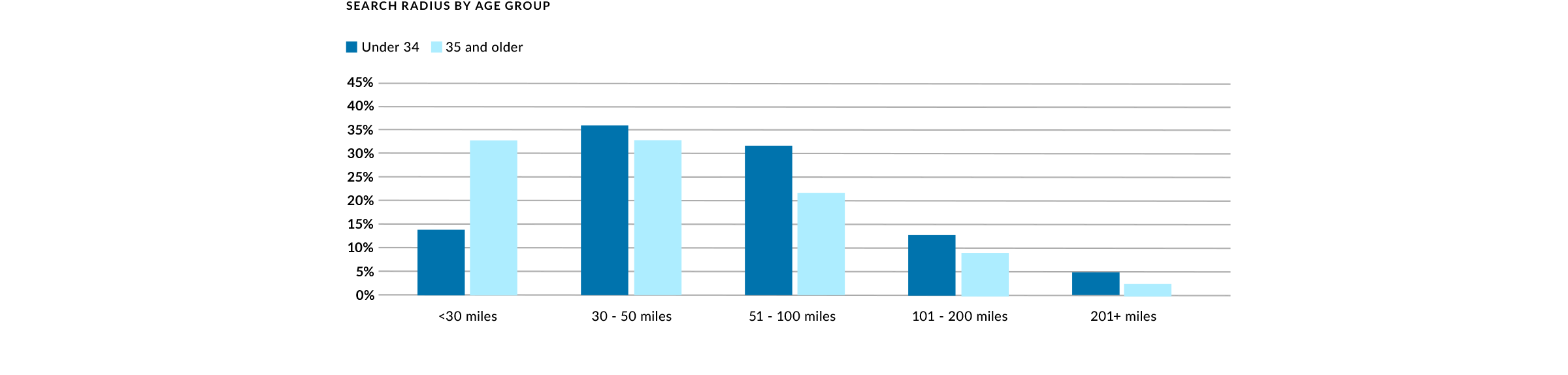
The days of buying from the nearest dealer are fading, at least in terms of where people search. Nearly three-quarters of buyers considered vehicles more than 30 miles from home.

Younger buyers cast a much wider net
While the overall willingness to search broadly is notable, the generational divide is substantial. Half of buyers under 34 were willing to search more than 50 miles from home. For buyers 35 and older, that number falls to 34%.
Why buyers search close to home
For buyers who kept their search local, the primary reason was wanting to inspect the vehicle in person, cited by 52% of close-range shoppers. Many also didn't want to travel far to pick up a car (46%) or were simply satisfied with nearby options (42%). Among buyers 35+, existing dealer relationships played a larger role.
Why buyers search farther away
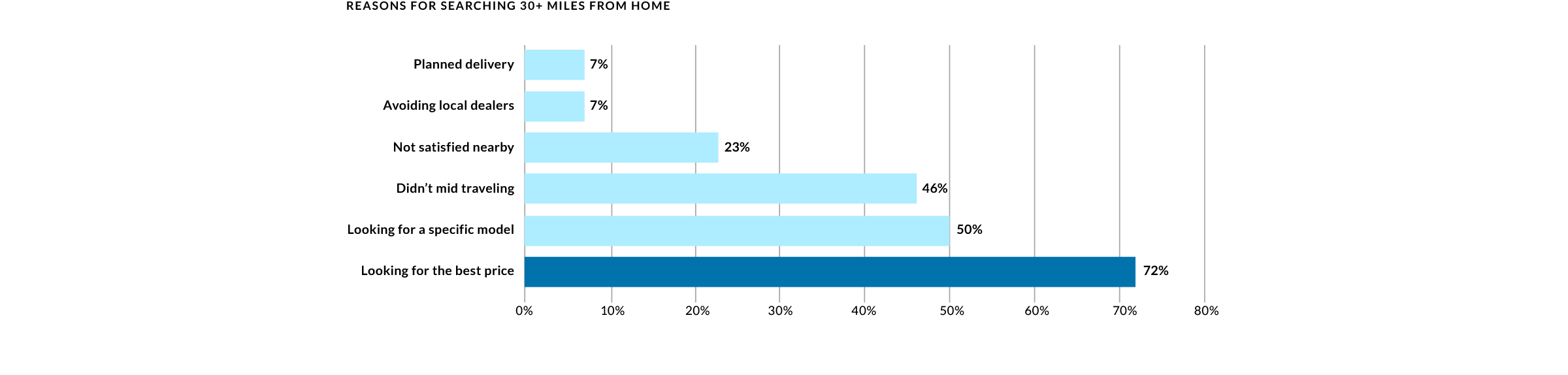
For buyers willing to cast a wider net, one reason stood above all others: price.
For buyers under 34, price motivation was even more pronounced: 80% cited it as their top reason for looking farther away. Half of long-distance searchers were also chasing a specific model they couldn't find nearby.
The pressure to search broadly makes sense in context. The average transaction price for a new vehicle reached $49,220 in mid-2026, and Cox Automotive's mid-year analysis noted that high prices are pushing more buyers toward the used market — intensifying competition for limited inventory and giving price-motivated buyers even more reason to expand their search radius. Cox Automotive Mid-Year Review, June 2026.
Buyers are more selective about geography than you'd think
Nearly half of buyers (45%) actively avoided vehicles from certain geographic regions because of environmental concerns: flood zones, road salt regions, coastal areas.

Where Buyers Actually Purchase
Most purchases still happen at dealerships, but the gap is closing
When it came time to actually buy, 63% completed the transaction in person at a dealership. But the gap between where buyers searched and where they bought tells an important story.

Online purchasing is a generational divide
For younger buyers, the fully digital transaction is already normalized. For older buyers, in-person remains the strong preference.
Most buyers purchased closer than they searched
While buyers were willing to search broadly, most purchases happened closer to home. Half of buyers (50%) bought a vehicle within 30 miles. Younger buyers again bucked the trend: 30% of buyers under 34 completed a purchase more than 50 miles from home, compared to 18% of buyers 35+.
The Vehicle Delivery Question
Most buyers drove their car home

78% Drove it home themselves

9% Friend or family drove it
9% Dealer or retailer delivered
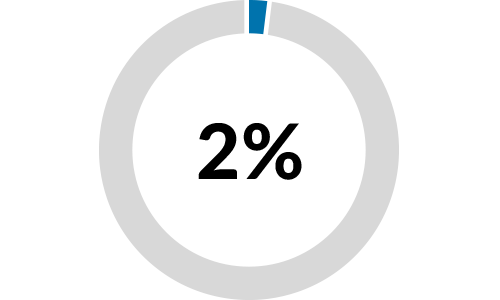
2% Buyer arranged shipping
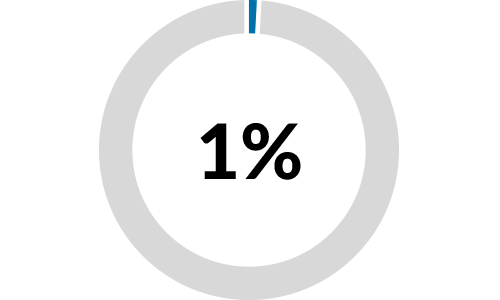
1% Seller arranged shipping
Distance is the shipping trigger
For buyers who purchased a car more than 100 miles away, the delivery calculus changes completely. And when you combine actual shippers with buyers who seriously considered it, 66% of long-distance buyers were meaningfully engaged with the idea of delivery.
Younger buyers are far more open to delivery
- 58% Under 34 considered shipping
- 28% 35+ considered shipping
- 35% All non-shippers considered

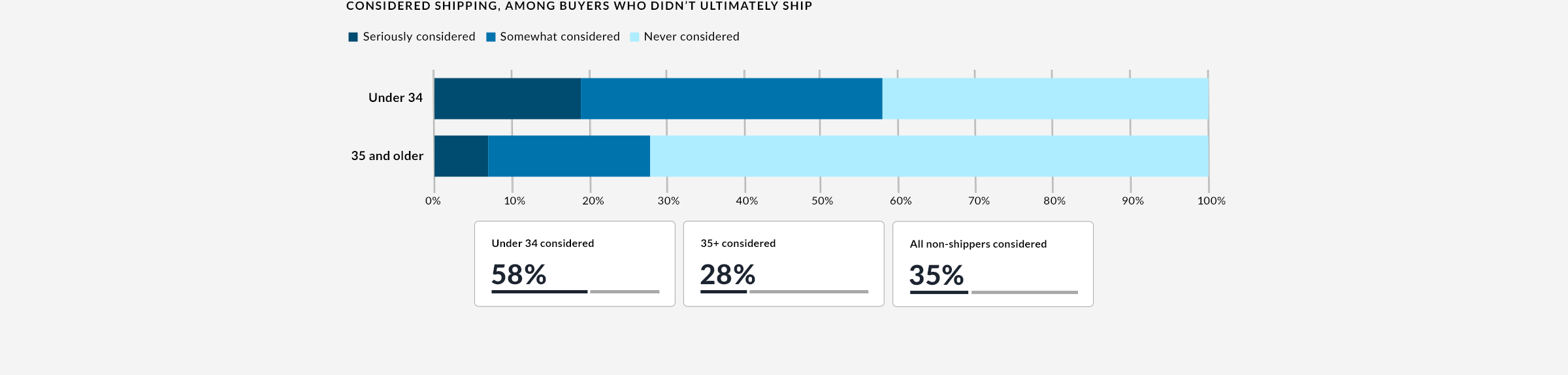
1 in 3 non-shippers still considered it
Among buyers who didn't ship, 35% had at least somewhat considered it. The reasons for not shipping clustered into four groups: they were close enough to pick up themselves, cost concerns (often assumed rather than verified), wanting the in-person driving experience, and not knowing enough about how shipping works.
"Didn't know [shipping] was available." — woman, 35–44, Wisconsin
"I assumed it was too expensive." — man, 35–44, Indiana

Why people who shipped said it was worth it
Among buyers who did have their vehicles delivered, the reasons centered on convenience, access, and real-life logistics.
"Saved me time and effort, that's why." — man, 25–34, Florida
"So much easier — everything done online and vehicle delivered to use." — woman, 65–74, Michigan
"It was cheaper than me taking off work to get it." — woman, 65–74, Pennsylvania
Familiarity with shipping skews younger
Self-reported familiarity with car shipping (1 = very unfamiliar, 5 = very familiar)

3.63 Slighty Familiar
All buyers

3.97 Somewhat Familiar
Buyers under 34

3.53 Slightly Familiar
Buyers 35 and older
What This Means for Car Buyers
The nationwide market is already here
The idea of searching locally for a car is increasingly optional, not required. Most buyers already look beyond 30 miles. A meaningful portion go well beyond 50. And buyers under 34 are especially willing to treat the entire country as their dealership lot. If you're limiting your search to what's nearby, you may be leaving money on the table, or missing out on the specific vehicle you actually want.
Price is the primary reason to look farther
For buyers who expanded their search, getting a better deal was the dominant motivator. With car prices where they are, the math can work in favor of a longer search, especially if delivery can bring the vehicle to you and eliminate the need to travel.
The gap between browsing and buying is real
Millions of cars are listed on peer-to-peer platforms every day, and millions of buyers are browsing them. But most aren't buying, because the transaction feels risky. Vehicle history reports, independent inspections, secure payment methods, and professional shipping can close the confidence gap considerably.
Delivery makes long-distance buying practical
Two-thirds of buyers who purchased more than 100 miles away either shipped their vehicle or seriously considered it. That's a practical recognition that when you've found the right car far from home, getting it home safely is part of the deal. For buyers who haven't looked into vehicle shipping yet, getting a quote is straightforward, and the math often makes more sense than people assume.
Younger buyers are comfortable with this, and older buyers are catching up
The generational patterns in this data are consistent across every dimension: where buyers search, how far they go, how they buy, and how they get the car home. Buyers under 34 are leading the shift toward digital, distance-agnostic car buying. Buyers 35+ are more conservative but still engaged, with 34% willing to look more than 50 miles away. Familiarity drives comfort, and comfort drives action. That curve is moving in one direction.
How Vehicle Shipping Works
For buyers considering shipping
Get a quote
Post your shipment details on uShip and receive competing bids from professional, feedback-rated carriers. Compare options and choose the one that fits your needs and budget.

Book your carrier
Once you've chosen a carrier, confirm the details and payment is processed securely through uShip.

Your car gets picked up
Most carriers offer both open and enclosed transport. Open transport is the most common and cost-effective. Enclosed transport provides additional protection for high-value vehicles.

Delivery to your door
Your carrier delivers to your specified address. A condition report at pickup and delivery documents the vehicle's state throughout transit.

Optional protection
uShip offers a Protection Plan for additional peace of mind, available at checkout.

Frequently Asked Questions
How much does it cost to ship a car?
Vehicle shipping costs vary based on distance, vehicle size, transport type, and timing. Getting quotes from multiple carriers on uShip lets you compare options and find the right fit for your budget. It's also worth accounting for the real costs of driving the car yourself: mileage, fuel, travel time, vehicle wear and tear, and potentially lodging. Shipping saves you all of that. Don't assume it's too expensive before you check. Many buyers are surprised by how competitive it is once you run the full comparison.
Is it safe to ship a car?
Yes. Professional car transport is a well-established industry with millions of vehicles shipped annually. On uShip, you can review carrier feedback ratings and history before booking. A condition report at pickup and delivery documents the vehicle's state throughout transit.
How long does vehicle shipping take?
Transit times depend on distance and the carrier's route. Regional shipments (under 500 miles) often take 1–3 days. Cross-country transport typically takes 5–10 days. When you list your vehicle shipment on uShip, carriers communicate their timelines so you can factor that into your plans.
Can I ship a car I bought from a private seller?
Yes. Whether you bought from a dealership, an online retailer, or a private seller on Facebook Marketplace or Craigslist, a professional carrier can pick up the vehicle at the agreed location and deliver it to you.
What's the difference between open and enclosed transport?
Open transport uses an open-air carrier, the same kind you see hauling new vehicles from manufacturers to dealerships. It's the most common and affordable option — industry-wide, roughly 97% of vehicle shipments use open transport (Super Dispatch, State of Auto Transport 2026). Enclosed transport uses a covered trailer, providing additional protection from weather and road debris. It's popular for classic cars, luxury vehicles, and high-value purchases, and has been growing as a share of overall shipments as more premium vehicles enter the transport market.
What if I'm not sure vehicle shipping is right for me?
Start with a quote. You're not committed to anything until you book, and seeing actual numbers makes the decision much easier. Many buyers who assumed shipping would be too expensive find it's comparable to, or less than, the cost of a round-trip flight plus a hotel stay to pick up a car themselves.
Methodology
This online survey was conducted by UserTesting on behalf of uShip from April 25–28, 2026. The sample consists of 426 U.S. adults aged 18+ who purchased a new or used vehicle within the previous 12 months. Respondents were screened to confirm recent purchase and eligibility. The margin of error is ±4.75% at the 95% confidence level. Age breakdowns refer to buyers aged 18–34 (n=102) and buyers aged 35+ (n=324). Directional findings with smaller subgroup samples are noted where applicable.
About uShip
uShip is the marketplace for shipping big items with peace of mind. Whether you're shipping a vehicle you bought across the country or transporting something large and hard to move, uShip connects you with a nationwide network of feedback-rated professional carriers who compete for your business, so you get real options at real prices.
