When it comes to shipping deadlines, shipping a vehicle is very different from shipping a package. There is no guaranteed next-day delivery window or exact time slot scheduled weeks in advance. Auto transport operates on coordinated routes, multi-vehicle trailers, and real-world road conditions. Because of this, understanding how pickup deadlines work is the key to planning your shipment confidently.
Whether you are relocating for a new job, buying a car out of state, sending a vehicle to an event, or coordinating a move, timing matters. When you understand pickup windows, carrier availability, and what can influence scheduling, you eliminate surprises and reduce stress.
Using a marketplace like uShip gives you more control over the process. Instead of relying on a single carrier’s schedule, you can compare multiple transporters, review availability, and choose the option that aligns with your timeline.
How Vehicle Pickup Windows Work
One of the most important concepts in car shipping is the pickup window.
A pickup window is a range of dates during which a carrier commits to collecting your vehicle. Most pickup windows span one to five business days. For example, if your first available pickup date is Monday, your carrier may provide a window from Monday through Friday and confirm that pickup will occur within that timeframe.
As the window approaches, communication becomes more specific. Most drivers will:
- Contact you 24 to 48 hours before pickup to narrow down the day
- Call or text a few hours prior to arrival with a more precise time
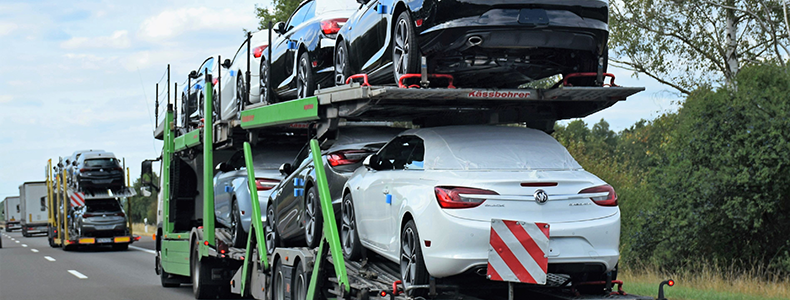
Exact appointment times are rare in auto transport because carriers coordinate multiple vehicles on one trailer. A single truck may carry five to ten cars, each with separate pickup and delivery stops. If an earlier customer runs late, traffic slows progress, or federal rest requirements shift the schedule, the entire route adjusts.
This flexibility is standard in the industry and allows carriers to manage complex logistics efficiently.
What Affects Vehicle Pickup Deadlines?
Several factors influence how quickly your vehicle can be picked up.
1. Carrier Availability
Availability is driven by supply and demand. In major metro areas like Los Angeles, Dallas, Chicago, or Atlanta, carriers move through daily. This typically results in shorter pickup windows.
In smaller cities or rural areas, fewer carriers operate regularly. That can extend scheduling timelines.
2. Route Popularity
High-volume routes such as:
- New York to Florida
- California to Texas
- Midwest to Southeast
often experience faster pickups because carriers frequently service these corridors.
Less common routes may require carriers to build a full trailer load before dispatching, which can lengthen your pickup window.
3. Seasonality
Auto transport follows seasonal demand patterns.
- Summer: Peak moving season, increased demand, tighter availability
- Winter: Slower in northern regions due to weather, but high demand on southbound snowbird routes
- Spring and Fall: Often more balanced availability
Booking earlier during peak months improves your scheduling flexibility.
4. Location Accessibility
Large auto transport trucks require adequate space for safe loading. Narrow streets, low-hanging trees, gated communities, or tight cul-de-sacs may require meeting at a nearby open lot or commercial parking area.
Planning for accessibility ahead of time helps avoid last-minute delays.
5. Vehicle Condition
Operable vehicles are the easiest to load. Non-running vehicles require additional equipment such as winches, which may limit carrier options and extend timelines.
Oversized vehicles, lifted trucks, lowered cars, or heavily modified vehicles may also require specialized trailers.
6. Weather and Road Conditions
Severe weather, highway closures, and natural events can shift timelines. While carriers monitor conditions carefully, logistics sometimes require route adjustments for safety.
Flexibility is essential when shipping long distances.
Flexible vs Fixed Pickup Dates
When listing your shipment, you can choose between flexible or fixed dates. Understanding the difference significantly impacts timing and cost.
Flexible Pickup Dates
Flexible listings allow carriers to incorporate your vehicle into existing routes. This:
- Expands the pool of available carriers
- Often results in faster pickup
- Typically lowers overall cost
Flexibility gives carriers room to optimize their schedules, which benefits both sides.
Fixed Pickup Dates
If you require pickup on a specific date, carriers must adjust their routes around your timeline. While this is possible, it:
- Reduces the number of eligible carriers
- May increase pricing
- Can require additional lead time
If your schedule is strict, communicate that clearly in your listing so carriers can bid accordingly.
How to Plan Your Vehicle Pickup Successfully

Preparation plays a major role in meeting your shipping deadline.
Book Early
Listing your shipment two to four weeks in advance gives you time to:
- Compare multiple quotes
- Review carrier ratings and feedback
- Ask questions about timing and route schedules
During peak season, early booking becomes even more important.
Be Accurate About Your Vehicle
Include the following information when listing your vehicle shipment:
- Vehicle make and model
- Running condition
- Modifications or lift kits
- Accurate pickup and delivery locations
- Clear photos
Accurate details allow carriers to provide realistic timelines and arrive prepared.
Prepare the Vehicle in Advance
During your pickup window, ensure that you:
- Remove personal belongings
- Leave about one-quarter tank of fuel
- Ensure the battery is charged
- Keep keys available
Being ready from day one of your pickup window avoids unnecessary delays.
Stay in Communication
uShip’s messaging system allows you to communicate directly with carriers before and after booking. Confirm expectations, ask about timing, and keep your phone accessible as pickup approaches.
Clear communication reduces anxiety and improves coordination.
What Happens If There Is a Delay?
Even with strong planning, occasional delays can occur. Common causes include:
- Severe weather
- Traffic incidents
- Delays at earlier pickup stops
- Mechanical issues
Professional carriers will communicate schedule changes. If you have concerns, reach out directly through uShip’s platform for updates.
Remaining flexible and responsive helps resolve most issues quickly.
How uShip Helps You Manage Shipping Deadlines
uShip provides tools designed to increase transparency and control.
- Multiple carrier bids: Compare pickup windows and availability
- Verified carrier profiles: Review authority, coverage, and feedback
- Review history: See patterns of on-time performance
- In-platform messaging: Keep communication organized
- uShip Payments: Secure payment processing that protects both parties
By comparing options instead of relying on a single schedule, you improve your chances of meeting your timeline.
Final Thoughts
Vehicle shipping operates differently from parcel delivery, but it is predictable once you understand how pickup windows and carrier scheduling work. By booking early, staying flexible when possible, and communicating clearly, you can plan your vehicle pickup with confidence.
uShip’s marketplace gives you visibility into real-time availability and pricing, helping you choose a carrier whose schedule aligns with your needs.
Ready to ship your vehicle? Compare pickup windows and quotes from trusted carriers on uShip today.