Storing your RV for months at a time takes more than finding a parking spot. While it’s not in use, proper storage protects your camper from weather, pests, and mechanical wear and tear. Careful preparation not only saves money on future repairs but also ensures your vehicle is road-ready when adventure calls again.
From winterizing your RV to prepping for safe transport, this guide walks through every key step, including how uShip RV shipping connects you with trusted, experienced carriers to move your RV between destinations.
Clean and Inspect Your RV
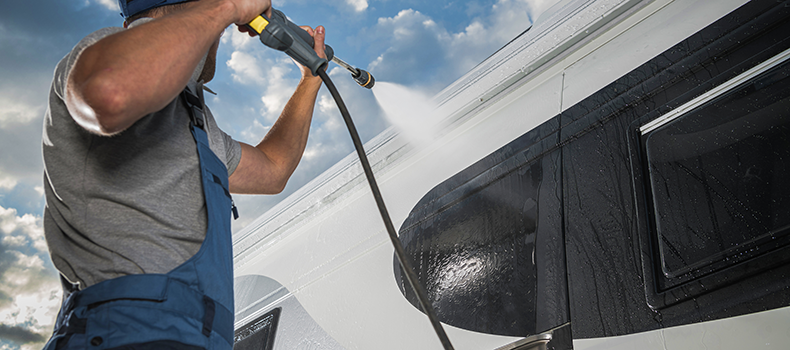
Before putting your RV into seasonal storage or arranging transport, start with a thorough cleaning, inside and out.
- Exterior: Wash away dirt, salt, and debris that can cause paint and finishes to corrode.
- Interior: Vacuum floors, wipe down surfaces, and disinfect storage areas to eliminate odors and prevent pest infestations.
Once clean, conduct a detailed inspection:
- Check the roof, seals, and body for cracks, rust, or leaks.
- Inspect tires for proper pressure, tread depth, and signs of cracking — idle periods can cause deterioration.
- Document your RV’s condition with photos. This record helps with insurance and makes it easy to spot any changes after storage or transport.
Winterizing or Summerizing Your RV
The prep your RV needs depends on the season. Following the right process prevents damage and ensures your camper is ready to roll when the time comes.
RV Winter Storage
- Drain all water lines, tanks, and the water heater to prevent freezing.
- Add RV antifreeze to the plumbing system for extra protection.
- Disconnect and store the battery in a warm, dry place.
- Use a durable, weather-resistant cover to guard against snow, ice, and wind.
RV Summer Storage
- Check for dampness or mold and dry out affected areas.
- Leave vents slightly open for airflow and to prevent heat buildup.
- Apply reflective sun covers to protect paint, upholstery, and finishes from UV damage.
By adjusting your prep based on seasonal conditions, you safeguard your investment and make storing or relocating your RV much simpler.
Remove Personal Items and Valuables
Before storage or transport, clear out anything that could spoil, attract pests, or shift during transit.
- Empty fridge, freezer, cabinets, and closets. Even crumbs can attract rodents and insects.
- Remove electronics, valuables, and loose items that might be damaged in transit.
Keeping your RV empty and clean minimizes risk — and ensures your belongings stay safe and accessible.
Tire and Suspension Preparation
Tires can develop flat spots or cracks when stationary for too long. To prevent damage:
- Inflate tires to the manufacturer’s recommended pressure before storage.
- For extended periods, use tire blocks or lift the RV slightly with jacks to reduce pressure.
- Inspect suspension components and leveling jacks for wear before and after storage.
These simple steps help preserve tire integrity and maintain a smooth ride when you’re ready to travel again.
Battery, Fuel, and Mechanical Prep
Take time to prep your RV’s mechanical systems:
- Battery: Disconnect it to prevent drain, or store it separately in a cool, dry place. Recharge it occasionally to maintain performance.
- Fuel: Add a fuel stabilizer to a partially filled tank to prevent corrosion and varnish buildup.
- Fluids: Check and top off oil, coolant, and transmission fluid.
Doing this upfront reduces the risk of engine issues or costly repairs when it’s time to get back on the road.
Exterior Protection
If storing your RV outdoors, a high-quality RV cover is essential. It protects against rain, dust, snow, and UV exposure, all of which can damage surfaces over time.
Also:
- Use tire covers to prevent weather-related cracking.
- Seal all windows, vents, and slide-outs to block moisture and pests.
A properly sealed and covered RV stays cleaner, drier, and more durable through every season.
Preparing for Transport
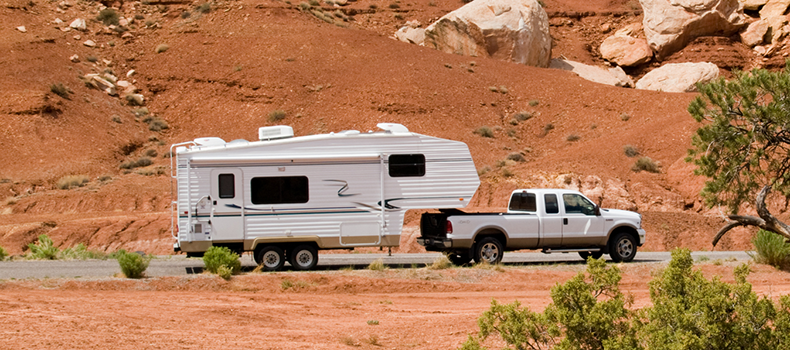
If you’re relocating your RV instead of storing it in one spot, careful preparation ensures a safe and damage-free move.
- Secure slide-outs, awnings, and exterior accessories.
- Lock all doors, windows, and storage compartments.
- Verify your RV’s weight, height, and dimensions for carrier and route compliance.
- Share special handling or loading instructions with your carrier in advance.
The uShip RV shipping marketplace makes it easy to compare quotes from experienced, reviewed carriers who understand the logistics of moving large vehicles safely and efficiently.
Insurance and Documentation
Before storage or transport, confirm your insurance coverage. Some providers offer dedicated storage protection or transport coverage. Review your policy to prevent any gaps.
Take clear photos of your RV’s interior and exterior for documentation. Keep records of all maintenance and prep work — they’ll help if you ever need to file a claim or verify your RV’s condition later.
Conclusion: Protect Your RV Investment Year-Round
Proper seasonal prep protects your RV from damage and keeps it adventure-ready. From cleaning and inspections to fluid checks and transport planning, every step ensures your RV stays in excellent shape.
Partnering with reliable carriers through uShip’s RV shipping platform gives you peace of mind that your camper will arrive safely at its next destination, whether that’s a storage facility or your next great road trip.
FAQs
How do I winterize my RV for storage?
Drain all water systems, add RV antifreeze, and disconnect or remove the battery. Cover the RV to protect it from snow, ice, and wind.
Can I safely store my RV outside?
Yes — with precautions. Use a weather-resistant cover, tire protectors, and seal all openings to keep moisture and pests out.
Should I remove the battery during storage?
Yes. Removing or disconnecting the battery prevents power drain and extends its life. Store it in a cool, dry place and recharge it periodically.
How do I protect tires and suspension during long-term storage?
Inflate tires to proper pressure, use covers to block sunlight, and relieve pressure by lifting the RV with jacks or blocks if possible.
Do I need insurance while my RV is in storage or transit?
Yes. Verify your policy covers both seasonal storage and transport. Some policies limit coverage when the RV isn’t in active use.
Can uShip help transport RVs to storage facilities?
Absolutely. The uShip RV shipping marketplace connects you with professional carriers who specialize in transporting motorhomes, campers, and trailers, all in one place, with quotes, reviews, and scheduling available.