When it comes to moving high-end vehicles—whether sports cars, classic models, or elegant sedans—the transport option you choose is critical. It directly impacts your vehicle’s condition, security, and value during transit.
You generally have two choices: open transport or enclosed transport. But how do they differ? This guide breaks down both methods, explains the pros and cons, and shares tips tailored to luxury and exotic car owners. By the end, you’ll be able to choose the best option for your needs with confidence.
Understanding the Basics of Car Shipping
Car shipping involves transporting a vehicle from one location to another using professional carriers, rather than driving it yourself. It’s ideal for long distances, when time is limited, or when you want to avoid adding mileage to your car.
How the process works:
- Quote request: Provide details such as pickup and drop-off locations, vehicle make and model, preferred transport type, and timeline.
- Booking and scheduling: Select a carrier based on price, reviews, and availability.
- Pre-pickup inspection: The carrier documents your vehicle’s condition before loading.
- Transportation: Your car is loaded onto an open or enclosed trailer for delivery.
- Delivery inspection: You confirm the vehicle arrived in the same condition as before.
Role of carriers:
- Open carriers: The most common, with vehicles exposed to weather and road conditions. They’re generally more affordable.
- Enclosed carriers: Fully covered trailers that protect vehicles from the elements and debris. Ideal for luxury, classic, and exotic cars.
Why Luxury Vehicles Need Extra Care
Luxury cars come with unique risks during transport:
- Low ground clearance: Sports cars may scrape on ramps or uneven surfaces.
- High-end finishes: Custom paint jobs and chrome details are more prone to scratches.
- Collectible value: Damage to classic or vintage vehicles can carry emotional as well as financial costs.
Delivering a luxury car damage-free is critical because:
- Repairs are costly and parts may be rare.
- Even minor imperfections reduce resale value.
- Owners expect their vehicles to be returned in pristine condition.
Open Auto Transport: Standard but Riskier for Luxury Cars

How it works: Vehicles are loaded onto open trailers—often two levels high—secured with heavy-duty straps or chains, and transported alongside other cars.
Advantages:
- Affordable: Typically 40% cheaper than enclosed transport.
- Faster availability: Carriers run frequently on major routes.
- Widely available: Thousands of carriers listed on platforms like uShip.
Drawbacks for luxury cars:
- Exposure to weather, road debris, dust, and insects.
- Higher risk of minor cosmetic damage such as chips or scratches.
When open transport may work for luxury vehicles:
- Short-distance moves (under 300 miles).
- Transport during mild weather.
- Budget-sensitive situations.
- Vehicles with protective wraps or coatings.
Enclosed Auto Transport: Maximum Protection
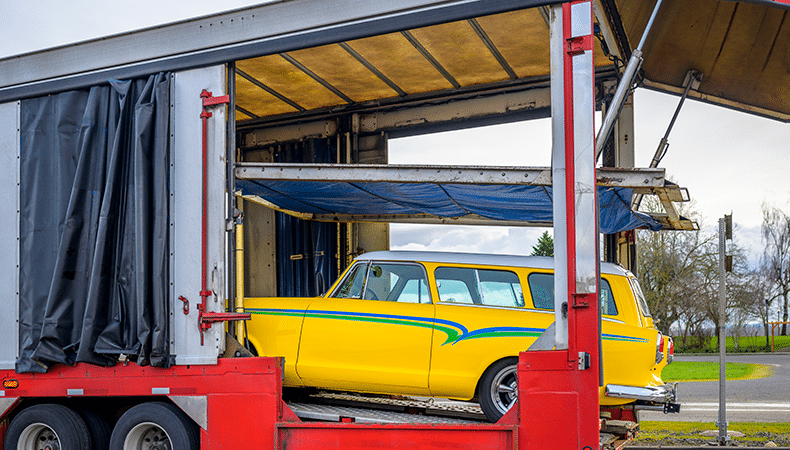
How it works: Vehicles are shipped inside fully enclosed trailers, safe from weather and debris.
Types of trailers:
- Soft-sided: Metal frame with heavy-duty vinyl covering. Less expensive but less protective against debris.
- Hard-sided: Aluminum or steel walls for maximum protection. Best for rare or delicate vehicles.
Extra features:
- Lift gates: Gentle loading for low-clearance cars.
- Climate control: Stable temperature and humidity for delicate interiors and paint finishes.
Advantages:
- Total protection from weather and debris.
- Recommended for exotic, vintage, and high-value cars.
- Higher insurance coverage is often included.
Considerations:
- Costs about 2x more than open transport.
- Limited availability may affect scheduling.
Cost Comparison: Open vs. Enclosed Transport
- Open transport: Lowest cost, widely available.
- Enclosed transport: 30–60% more expensive but includes added protection.
Factors affecting cost:
- Distance
- Vehicle size/weight
- Seasonality
- Carrier availability
- Insurance coverage
Why price shouldn’t be the only factor: For luxury cars, the long-term value of protection outweighs upfront savings. Enclosed transport helps preserve resale value and reduces risk.
How uShip Helps You Choose
uShip is an online marketplace that connects you with feedback-rated auto transport carriers.
Benefits:
- Compare quotes easily: Side-by-side pricing for open vs. enclosed transport.
- Carrier ratings and reviews: Verify experience with luxury vehicles.
- Insurance and protection: Confirm coverage before booking.
- Custom options: Choose white-glove service, enclosed transport, and more.
uShip’s platform makes it simple to choose a carrier that matches your needs, budget, and protection preferences.
Final Recommendation
For luxury vehicles, enclosed auto transport is the safest and most reliable option, offering complete protection from the elements and peace of mind.
Open transport can be acceptable for short, low-risk trips or when budget is the top concern.
By using uShip, you can easily compare carriers, read reviews, confirm insurance, and customize your shipping requirements—ensuring your luxury vehicle arrives safely and in pristine condition.
Frequently Asked Questions (FAQs)
Is enclosed transport worth the extra cost?
Yes. For high-value cars, the added protection from weather and debris makes it worthwhile.
Can I request a liftgate or soft tie-downs for a low-clearance car?
Yes. Many carriers offer these options to prevent undercarriage damage.
How do I know if a carrier is experienced with luxury vehicles?
Look for enclosed transport specialists with strong reviews. uShip makes this easy with verified feedback.
What type of insurance is standard for enclosed transport?
Basic liability is included, but confirm limits with the carrier. Supplemental coverage may be necessary.
Is open transport dangerous for luxury vehicles?
It carries higher risks, but many shipments are damage-free. Consider route and weather before choosing.
How far in advance should I book enclosed transport?
2–4 weeks ahead, especially during peak moving seasons.
Does uShip offer international car shipping?
Yes. Availability varies by destination—check listings directly.
How long does cross-country shipping take?
Typically 7–14 days, depending on distance and carrier schedules.
Can I track my vehicle in real time?
Many carriers provide GPS tracking—confirm before booking.
What if my car is damaged during shipping?
Document the damage upon delivery, take photos, and contact both the carrier and insurer immediately.