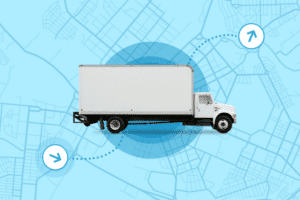
Not all container shipments are created equal. While “container shipping rates” often refer to the cost of moving a 20- or 40-foot metal box across the ocean, many people searching for this information are actually looking to move something big—from a fully packed storage container to multiple pallets of inventory, right here in the U.S.
If that’s you, international freight isn’t your only option. In fact, it might not be the right fit at all. This blog breaks down how container shipping rates work for overseas transport, then helps you figure out when domestic freight shipping with uShip could save you time, money, and stress.
What Do You Mean by “Container Shipping”?
Most people who search for “container shipping rates” fall into one of two groups:
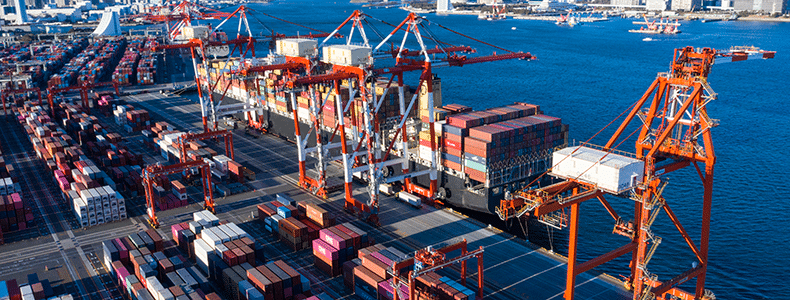
- You’re shipping internationally via ocean freight and want to estimate the cost of moving a 20- or 40-foot container overseas
- You’re moving something big and heavy—like a shipping container, furniture, or pallets—within the U.S. and aren’t sure what type of freight service you need
This guide covers both. We’ll break down how international container shipping rates are calculated, then show you when domestic freight services, like LTL or FTL shipping through uShip, may be a better (and easier) fit.
What Are Container Shipping Rates?
Container shipping rates are the total costs to transport goods in metal shipping containers (typically 20 or 40 feet long) between two ports, most commonly by sea.
These rates include:
- Base ocean freight (port-to-port)
- Fuel surcharges
- Port fees and terminal handling charges
- Documentation and customs clearance
- Insurance (optional, but recommended)
Rates fluctuate constantly due to supply and demand, seasonal patterns, port congestion, and global events.
Average Container Shipping Costs (International)
As of late 2025, here’s what you can expect for international ocean freight:
| Route | Container Size | Average Rate Range |
|---|---|---|
| China → U.S. West Coast | 20 ft | $1,800 – $4,000 |
| China → U.S. West Coast | 40 ft | $2,500 – $5,500 |
| Europe → U.S. East Coast | 20 ft | $2,000 – $4,200 |
| Europe → U.S. East Coast | 40 ft | $3,000 – $6,000 |
These are just base rates. Final prices can double with fuel surcharges, documentation, and customs fees.
Factors That Affect Container Shipping Rates
1. Container Size and Type
- Standard containers: 20 ft (TEU), 40 ft (FEU), or high-cube (extra height)
- Specialty containers: Reefer (refrigerated), flat-rack, open-top—cost more due to limited supply
2. Origin & Destination Ports
Busy trade lanes like Shanghai to LA are cheaper per container because of volume. Less common ports may result in higher rates due to fewer sailings and added logistics.
3. Distance Doesn’t Always Matter
In ocean freight, longer distances don’t always equal higher costs. Port efficiency, infrastructure, and carrier availability often matter more than mileage.
4. Seasonality
Shipping spikes in Q3 and Q4 (leading into the holiday season), which drives up prices. Carriers add Peak Season Surcharges (PSS) that can range from $300–$2,000 per container.
5. Customs and Documentation
- Bill of Lading: $50–$200
- Customs brokerage: $100–$500
- Duties: Vary by commodity, origin, and trade agreements
Real-World Example: Ocean Freight Rate Breakdown
Shanghai → Los Angeles (20 ft container):
- Base Freight: $1,800
- Terminal Handling: $650
- Documentation: $75
- Customs Duties (5% of $10,000 cargo): $500
- Peak Season Surcharge: $300
Total Cost: $3,325+
But What If You’re Not Shipping Overseas?
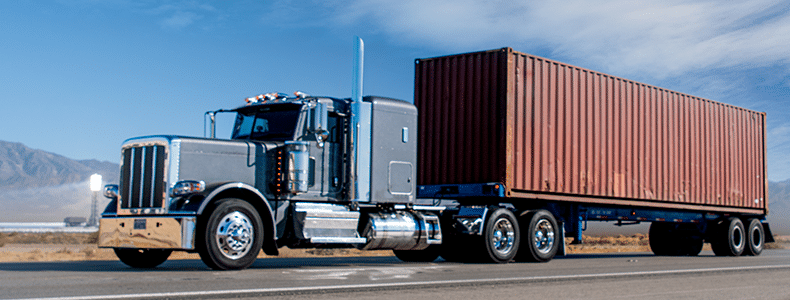
If you’re not exporting goods internationally, but you still need to move a container-sized shipment, you’re likely looking for domestic freight shipping instead.
This includes things like:
- Moving large, palletized items across state lines (furniture, equipment, pallets)
- Shipping a loaded storage container to a new location
- Delivering freight to customers or warehouses within the U.S.
In these cases, ocean freight isn’t the right solution. LTL or FTL shipping through uShip is faster, more accessible, and often cheaper.
LTL vs. FTL Shipping: uShip’s Sweet Spot
Less Than Truckload (LTL)
- Share truck space with other shipments
- Pay based on size/weight
- Ideal for 1–6 pallets or items under ~15 feet
- Includes liftgate and residential delivery options
Full Truckload (FTL)
- Rent the entire trailer (26–53 feet)
- Flat rate for long-distance hauls
- Faster transit and less handling = lower damage risk
- Ideal for large shipments, business freight, or fully loaded containers
uShip connects you directly with carriers who specialize in both.
When Should You Use uShip Instead of Ocean Freight?
| Use Case | Use Ocean Freight? | Use uShip? |
|---|---|---|
| International export/import | ✅ Yes | ❌ No |
| Shipping across the U.S. | ❌ No | ✅ Yes |
| Moving a loaded container domestically | ❌ No | ✅ Yes |
| Shipping furniture or heavy items from a seller or auction | ❌ No | ✅ Yes |
| Need door-to-door or residential delivery | ❌ No | ✅ Yes |
| Want instant quotes from multiple vetted carriers | ❌ No | ✅ Yes |
uShip Advantages for Domestic Freight
- Compare real rates from carriers competing for your job
- Choose your carrier based on reviews, transit time, and price
- Protect your shipment with the uShip Protection Plan (UPP)
- Get support when you need it from our team of LTL specialists
We don’t move international containers, but we do make domestic freight shipping easier, more affordable, and more transparent.
Final Thoughts: Know What You’re Really Shipping
If you searched for “container shipping rates,” start by asking:
Are you shipping internationally, or just shipping something big?
If it’s the latter, you’re in uShip territory.
Let us help you ship the big stuff: safely, affordably, and with protection built in. Whether it’s a single item or a truckload, our marketplace connects you to trusted carriers ready to deliver.
FAQ: Container Shipping Rates
Q: Can I use a shipping container for a domestic move?
Yes, but it’s typically handled by FTL freight, not ocean freight. uShip can help you move loaded storage containers within the U.S.
Q: Why are container shipping rates so volatile?
Rates fluctuate due to port congestion, supply chain bottlenecks, fuel prices, global demand, and peak seasons.
Q: Is uShip a container shipping company?
Not in the ocean freight sense. We’re a domestic shipping marketplace that helps people move large, bulky, and heavy items—including containers—within the U.S.
Q: Does uShip offer shipping protection?
Yes. With the uShip Protection Plan, you can protect your shipment value for an affordable rate.