

TL;DR: U-Haul Auto Transport vs. Professional Car Shipping
- Two options, two price points: U-Haul's tow dolly (around $49.95/day) works for FWD cars; the auto transport trailer (around $69.95/day) is required for AWD/4WD vehicles.
- RWD cars need driveshaft disconnection: A mechanical step most renters haven't done before, and getting it wrong risks transmission damage.
- You'll likely need a hitch: Installation runs $150 to $300 if your vehicle doesn't already have one rated for the job.
- You're the driver: Maneuvering a truck with a car in tow, including backing up, is a new skill for most first-time renters.
- The alternative: uShip connects you with independent, feedback-rated carriers who handle the loading, securing, and driving, so you can compare quotes and choose who ships your car instead of towing it yourself.
If you're relocating and need to bring a vehicle with you, U-Haul will rent you the equipment to tow it behind your moving truck. What the rental page doesn't spell out as clearly is what that actually involves: disconnecting your driveshaft in some cases, making sure your tow vehicle can handle the extra weight, and driving a rig you've never maneuvered before. Here's what U-Haul's auto transport option really requires, and how it compares to shipping your car with a professional carrier instead.
What Is U-Haul Auto Transport?
U-Haul rents two different pieces of equipment for moving a car behind a truck, and which one you need depends on your vehicle.
- Tow Dolly: Lifts only the car's front two wheels off the ground while the rear wheels roll along the road. It's the cheaper and lighter option, running around $49.95 per day for local rentals, but it isn't right for every vehicle.
- Auto Transport Trailer: Lifts the entire car off the ground. It costs more, around $69.95 per day locally, but puts less wear on the vehicle and is what U-Haul recommends for all-wheel drive and four-wheel drive cars.

Trailer rentals include unlimited mileage, so unlike a U-Haul truck, you won't be charged per mile. One-way, long-distance rentals are priced separately and can run $1,200 to $2,300 for a cross-country move.
Tow Dolly vs. Auto Transport Trailer: Which Does U-Haul Recommend?
This is where it gets more complicated than most people expect:
- Front-wheel drive (FWD): Generally fine on a tow dolly, since only the non-driven rear wheels touch the road.
- Rear-wheel drive (RWD): Also towable on a dolly, but U-Haul requires you to disconnect the driveshaft first. Putting the car in neutral isn't enough; without disconnecting it, the transmission can be damaged from a lack of internal lubrication while the wheels spin.
- All-wheel drive (AWD) or four-wheel drive (4WD): U-Haul recommends the auto transport trailer instead of a dolly. Because all four wheels are mechanically linked, even two wheels touching the ground while towing can cause internal components to overheat or fail.
Disconnecting a driveshaft isn't a task most renters have done before, and getting it wrong risks real damage to your car.
What You Also Need: A Hitch and a Capable Tow Vehicle
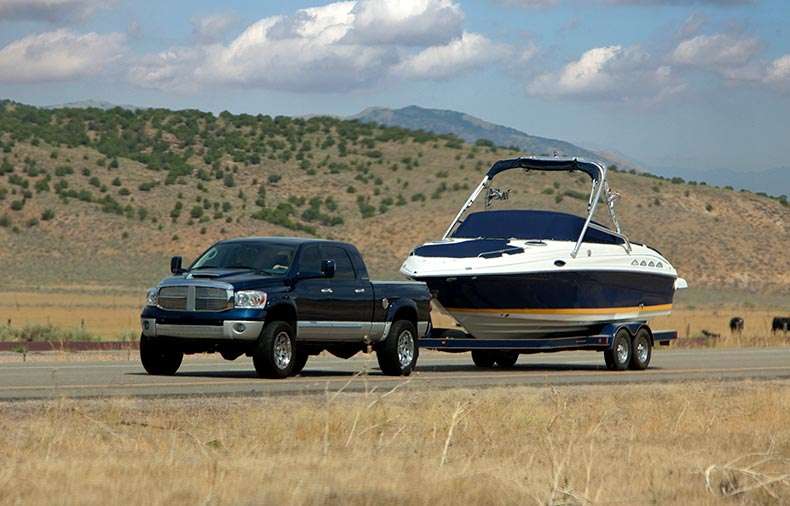
Towing a car requires a hitch rated for the job and a tow vehicle heavy enough to handle the combined weight of the trailer and the car. If your vehicle doesn't already have a hitch, installing one typically runs $150 to $300 depending on your vehicle and wiring needs, on top of the rental itself. There are also real limits to keep in mind: U-Haul's tow dolly has a maximum towed-vehicle weight rating of 5,290 pounds, and low-clearance vehicles with spoilers, air dams, or lowered suspensions may not fit the dolly properly without risking damage during loading.
The Real Cost of Towing Your Car with U-Haul
Between the dolly or trailer rental, a hitch installation if you need one, and optional SafeMove Tow Dolly Protection (roughly $8 to $15 per day), towing your own car adds up well beyond the base daily rate, on top of whatever you're already paying to rent the truck itself. And that's before accounting for the time and risk of doing the hookup correctly.
Driving With a Car in Tow
Even once your car is loaded, you're now driving a truck with a trailer and a vehicle attached, possibly for the first time. Turns, parking, and backing up all behave differently, and backing up with a towed car attached is notoriously difficult, often requiring you to unhook the car entirely to reposition. It's one more skill you're expected to pick up in the middle of an already stressful move.
A Different Way to Ship Your Car
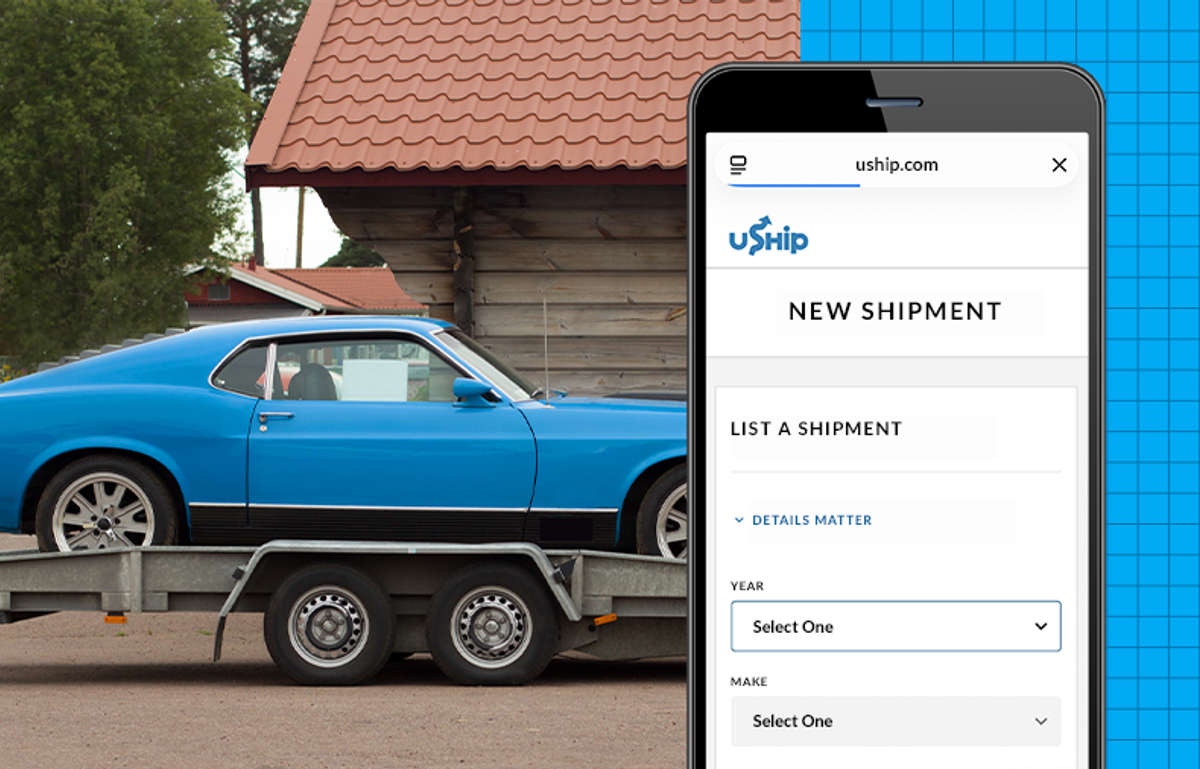
Shipping your car with uShip means you're not the one disconnecting a driveshaft, installing a hitch, or backing up a trailer you've never towed before. Independent, feedback-rated carriers who specialize in vehicle transport handle the loading, securing, and driving, so your car travels separately from your move, with someone experienced doing the work.
You can compare quotes from multiple carriers, choose based on price and reviews, and keep your payment secure with uShip Payments until delivery is confirmed. For extra peace of mind, you can also add a uShip Protection Plan at checkout.
See our broader breakdown of U-Haul alternatives for how this compares beyond just vehicle shipping.
U-Haul Auto Transport vs. uShip: Quick Comparison
Who drives
- U-Haul: You, towing the car behind your truck
- uShip: An independent carrier who specializes in vehicle transport
Vehicle prep
- U-Haul: May require disconnecting the driveshaft (RWD) or a trailer (AWD/4WD)
- uShip: Handled by the carrier
Extra equipment needed
- U-Haul: A rated hitch, installed if you don’t already have one
- uShip: None
Pricing
- U-Haul: Daily dolly or trailer rate, plus hitch costs, optional protection, and your own fuel and wear and tear
- uShip: Full quotes compared upfront from multiple carriers
Driving experience required
- U-Haul: Maneuvering a truck with a car in tow, often for the first time
- uShip: None, since your car travels separately
Damage risk
- U-Haul: Transmission, clearance, or parking brake damage if done incorrectly
- uShip: Carrier assumes responsibility for safe transport
When Towing Your Own Car May Make Sense
Towing your own car can make sense for a short, local move in a front-wheel-drive vehicle, when you already own a properly rated hitch and tow vehicle, and you're comfortable driving with a trailer attached.
When Professional Car Shipping May Be the Better Fit
Shipping your car separately tends to be the better fit for longer moves, all-wheel or four-wheel drive vehicles, low-clearance cars, or simply if you'd rather not learn how to disconnect a driveshaft or back up a trailer for the first time.
Final Verdict: U-Haul Auto Transport vs. uShip
Towing your own car behind a U-Haul truck can work, but it asks a lot of a first-time renter: the right equipment, the right vehicle prep, and the confidence to drive a rig you've never handled. Shipping your car with uShip hands that work to someone who does it for a living, while still letting you compare prices and choose who you trust with your vehicle.
FAQs About U-Haul Auto Transport
How much does U-Haul auto transport cost? Local rentals run about $49.95 per day for a tow dolly or $69.95 per day for an auto transport trailer. One-way, long-distance rentals are priced separately and can run $1,200 to $2,300 for a cross-country move, plus any hitch installation or optional protection you add.
Can you tow an all-wheel drive car with a U-Haul tow dolly? U-Haul recommends against it. Because all four wheels are mechanically linked on AWD and 4WD vehicles, towing with a dolly can cause transmission damage even if only two wheels touch the ground. U-Haul recommends the auto transport trailer instead.
Do you have to disconnect the driveshaft to tow a car? For rear-wheel drive vehicles on a tow dolly, yes. Putting the transmission in neutral isn't enough to prevent damage, since the transmission needs internal lubrication that isn't circulating while the vehicle is in tow.
Is it cheaper to tow my car or ship it with uShip? It depends on your vehicle and distance. Towing costs add up quickly once you factor in the rental, a hitch if you need one, and optional protection, and that's before accounting for your own time and risk. uShip lets you compare full quotes from vehicle-shipping carriers upfront so you can weigh the real cost against towing it yourself.
Do I need a hitch to tow a car with U-Haul? Yes, a hitch rated for the weight of the trailer and car. If your vehicle doesn't already have one, installation typically costs $150 to $300 on top of the rental.